

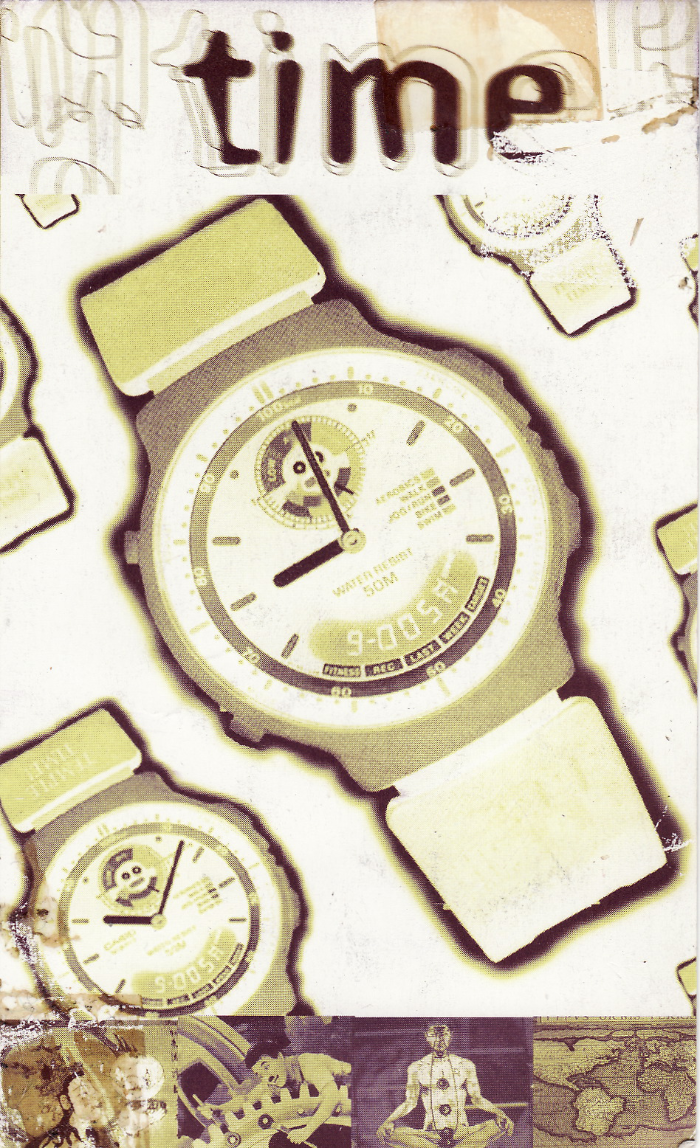
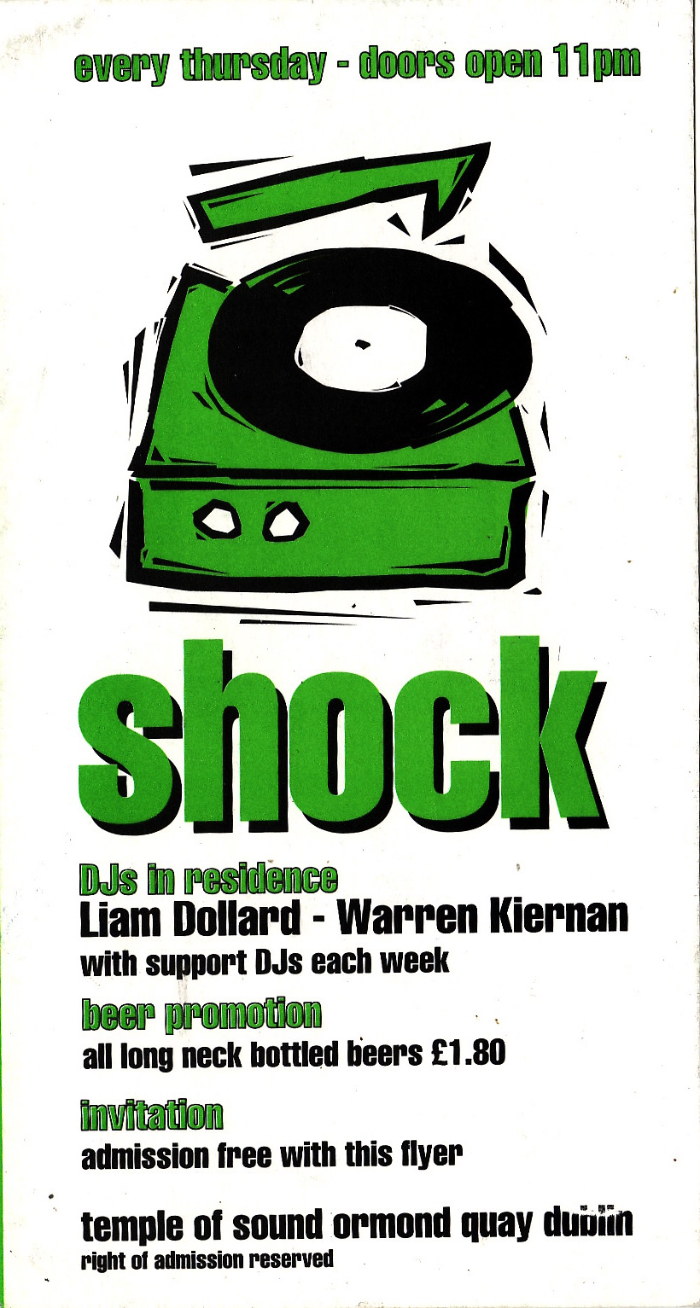
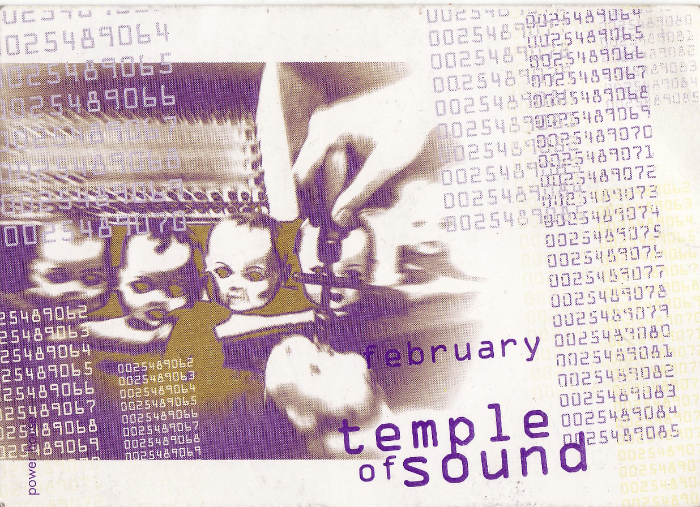
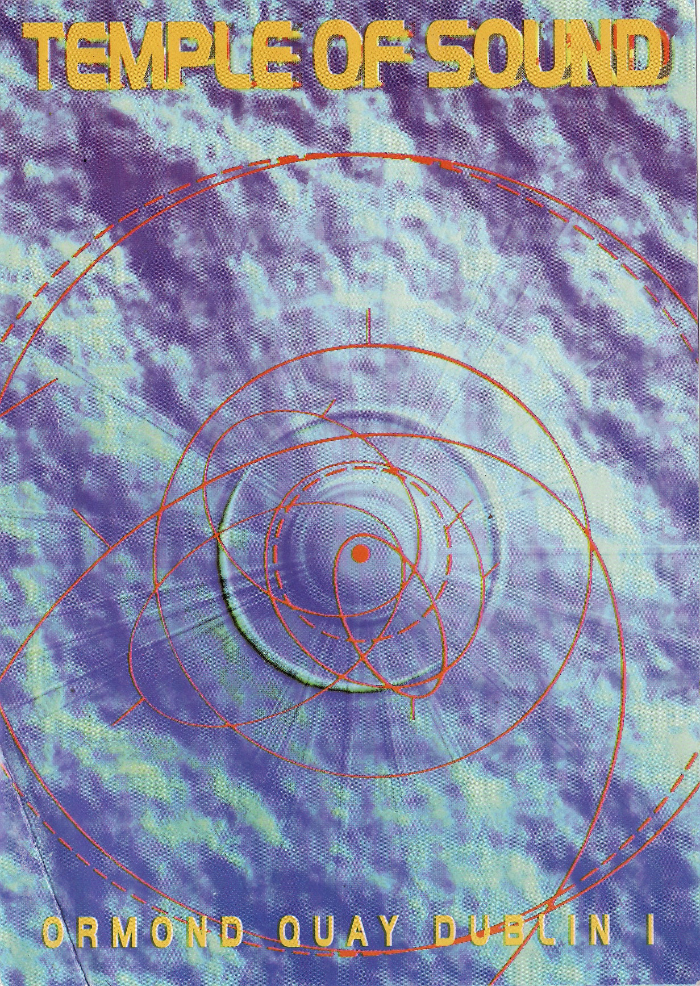
FLYERS

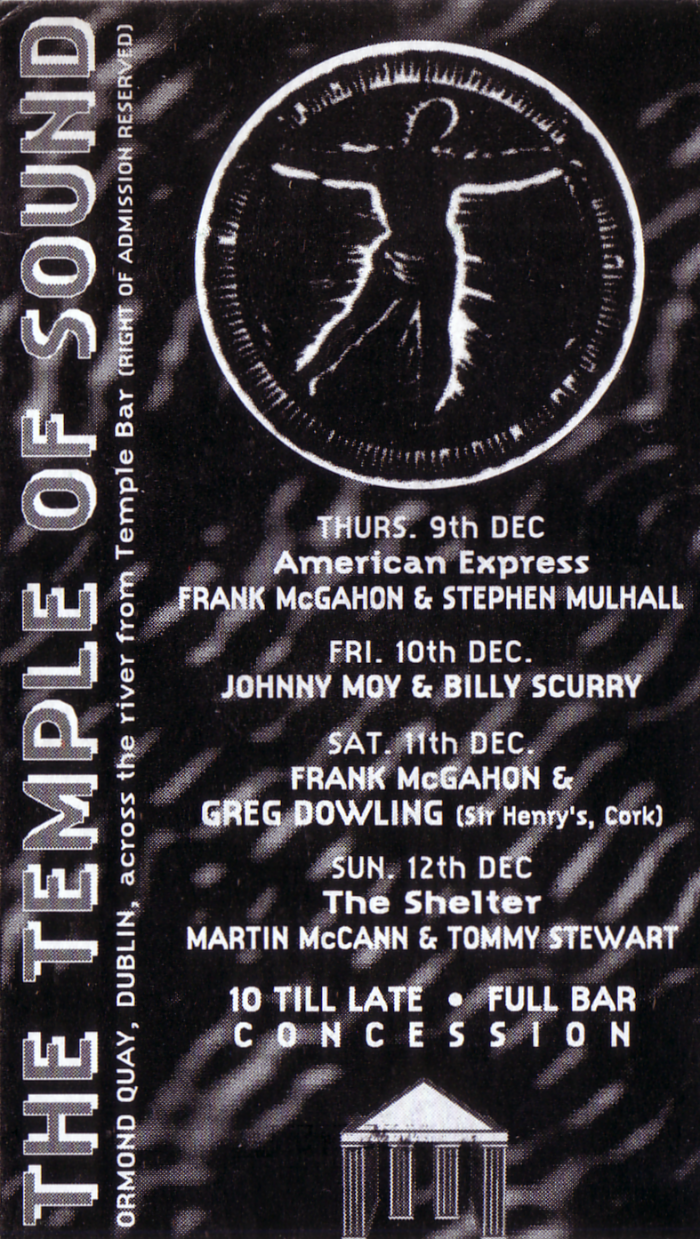


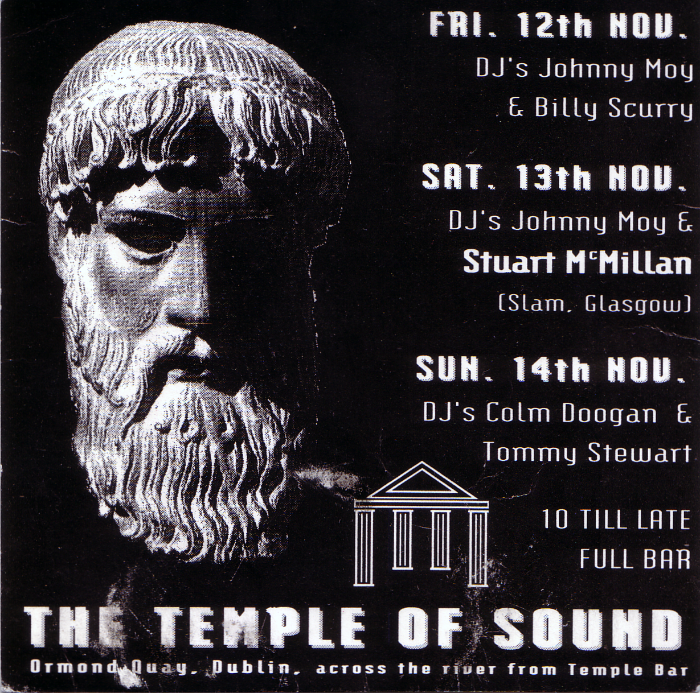



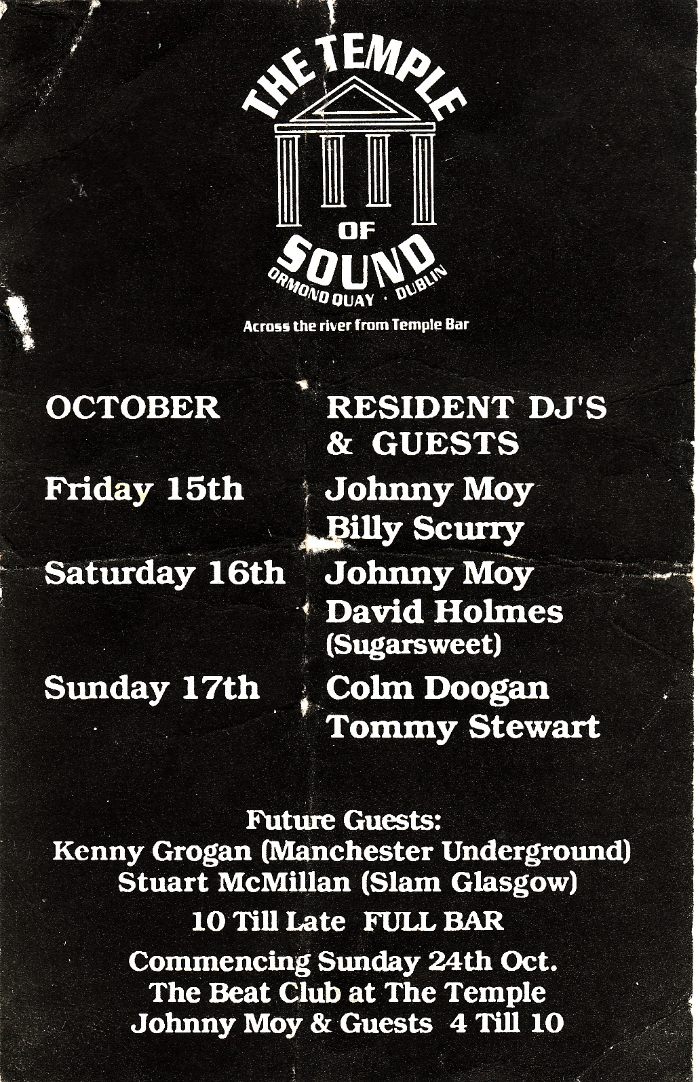
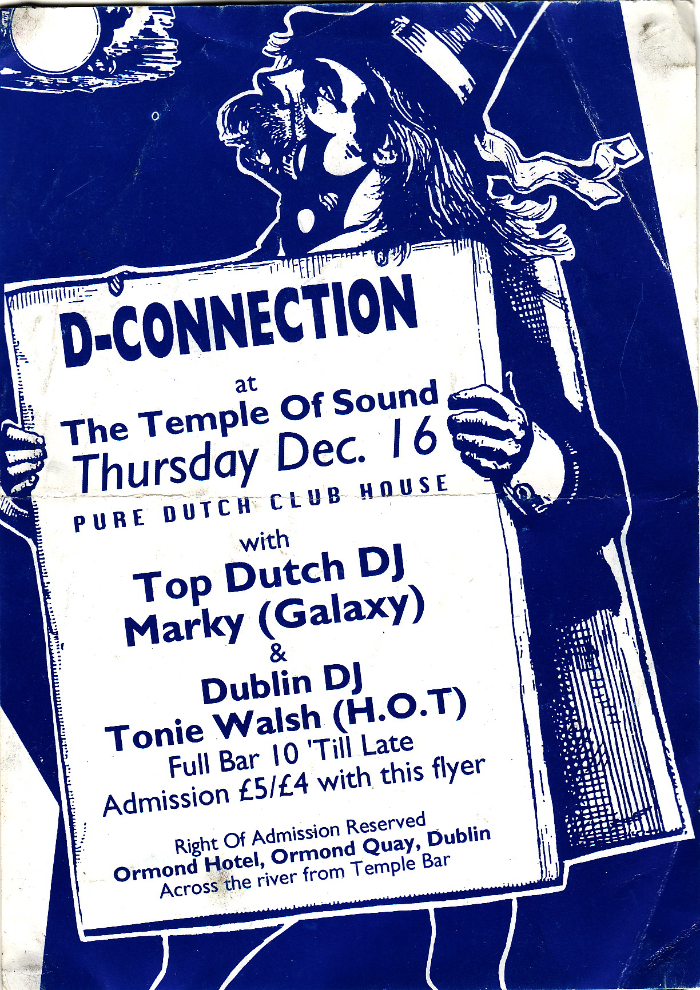
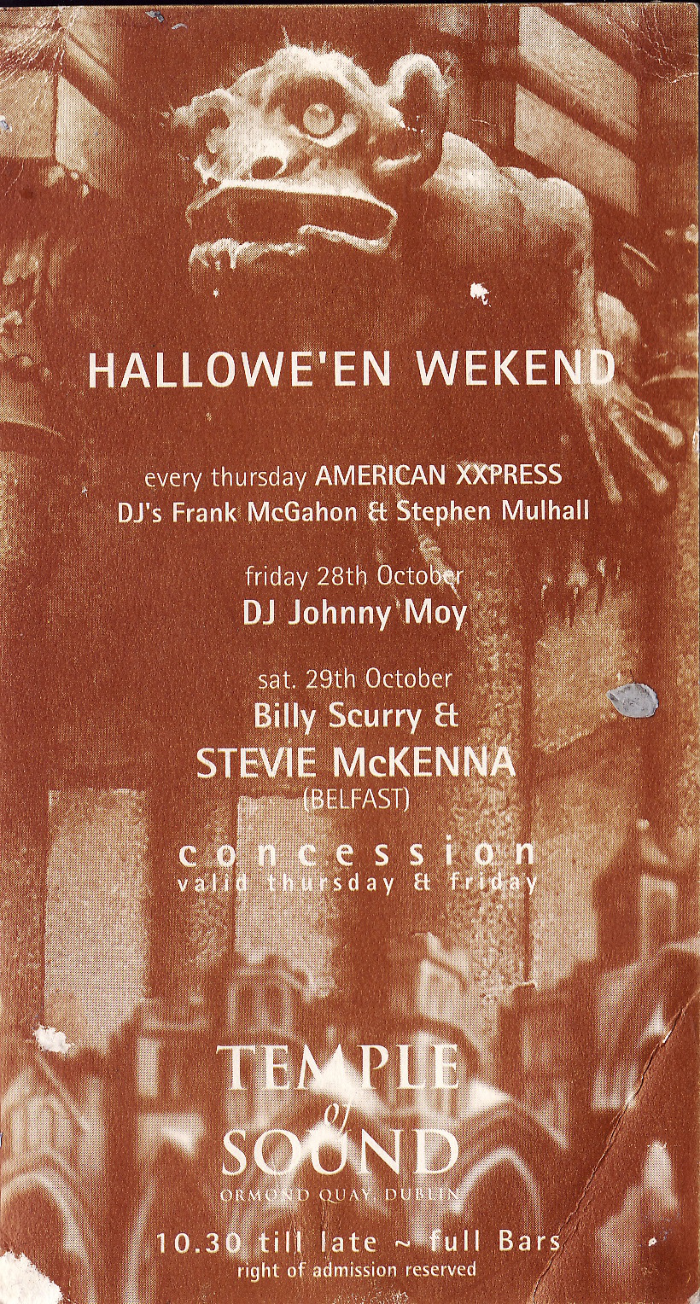


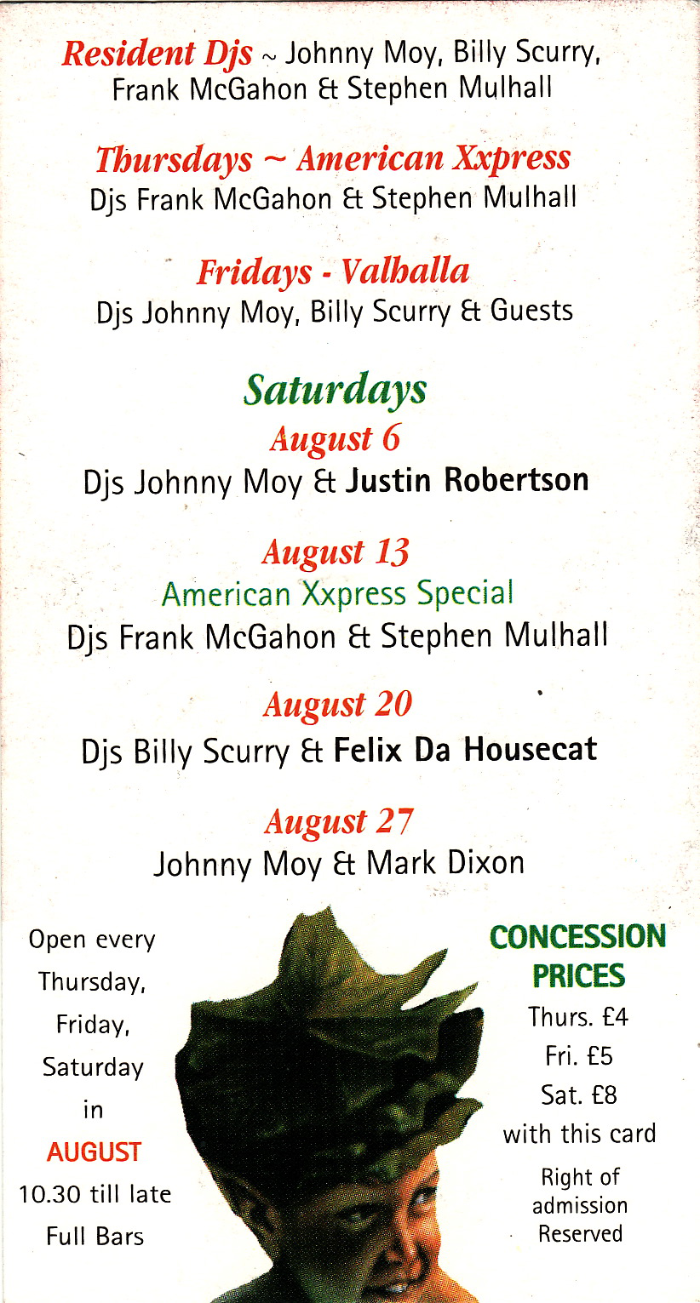

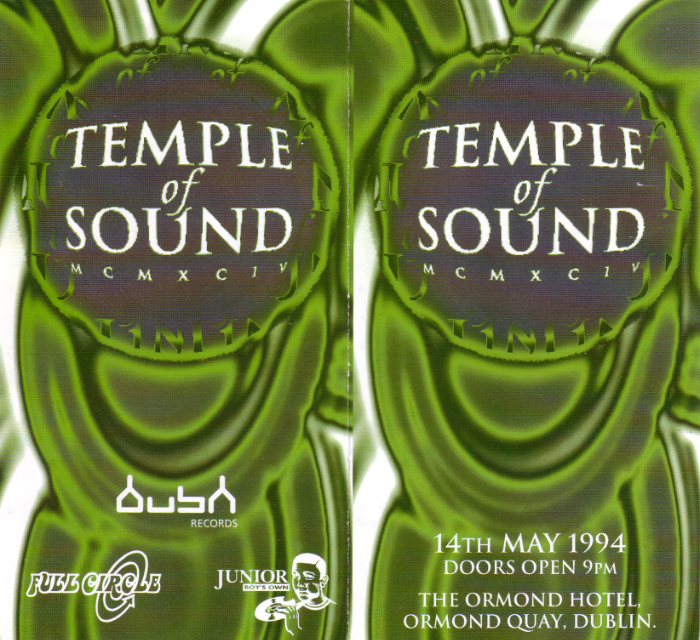


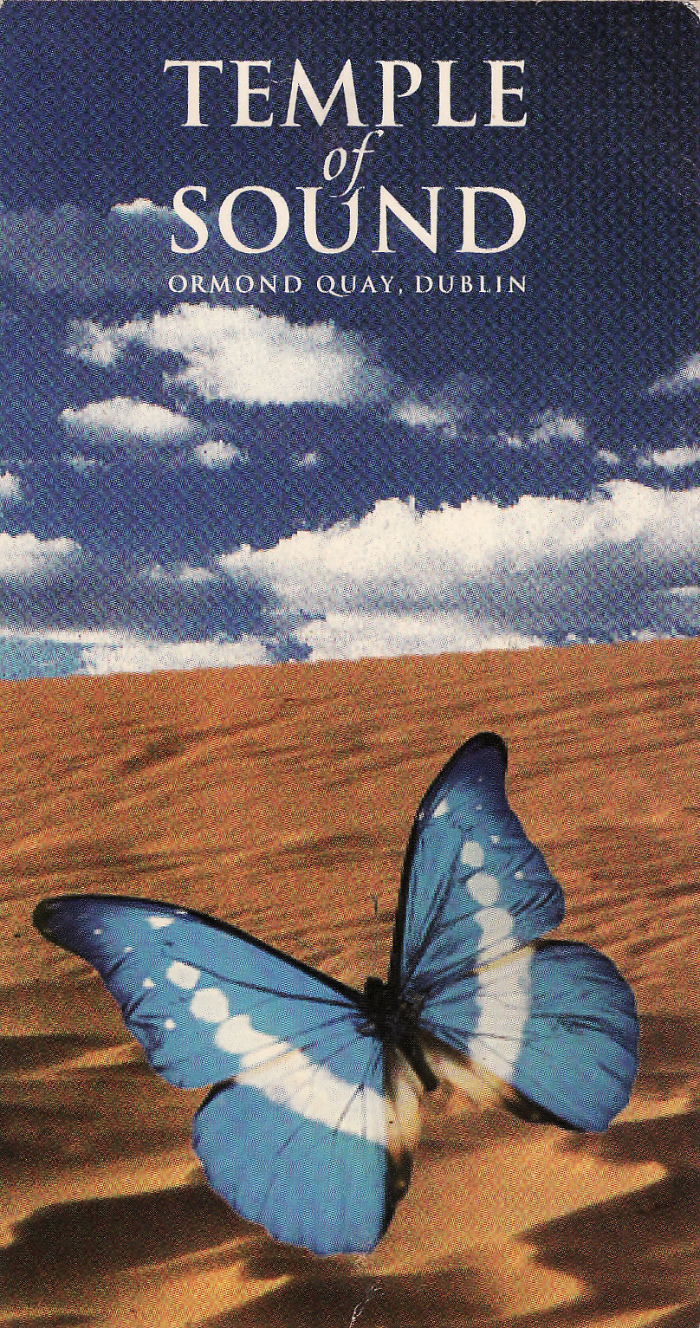

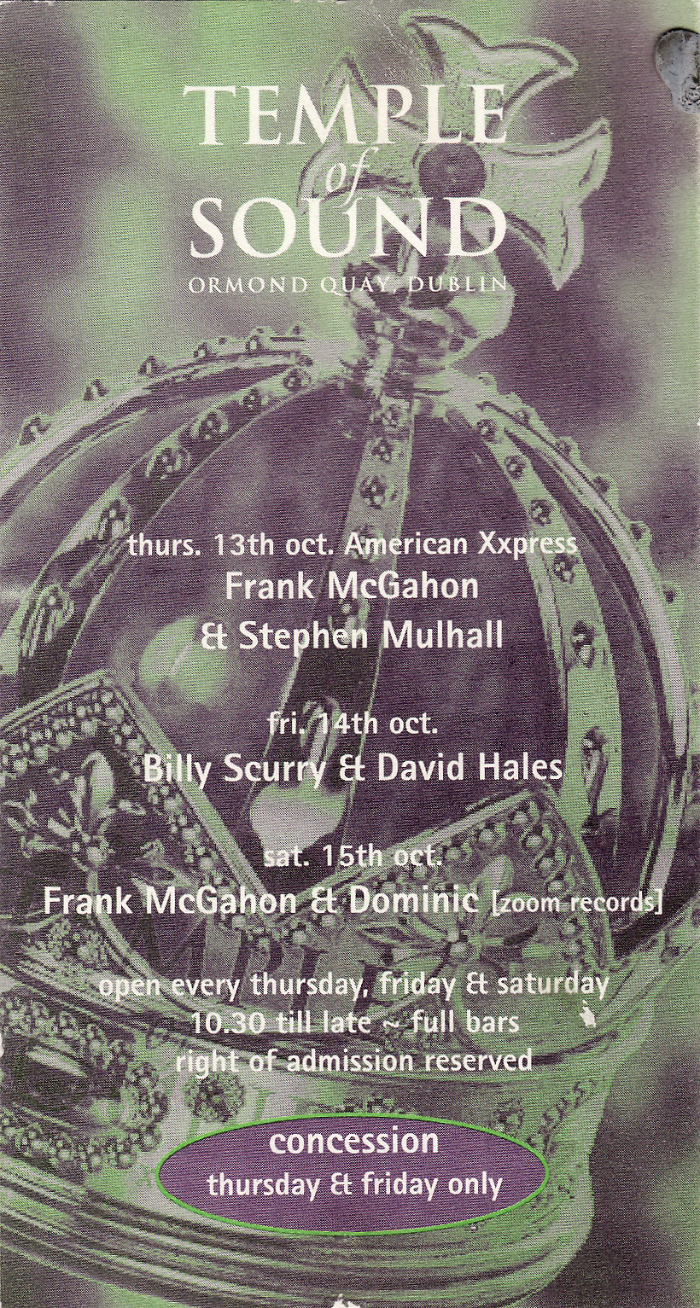



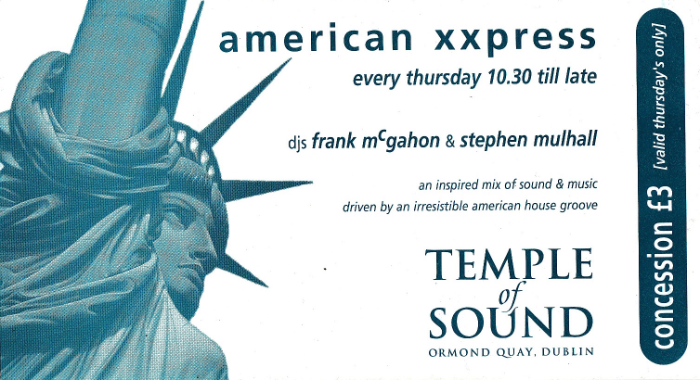














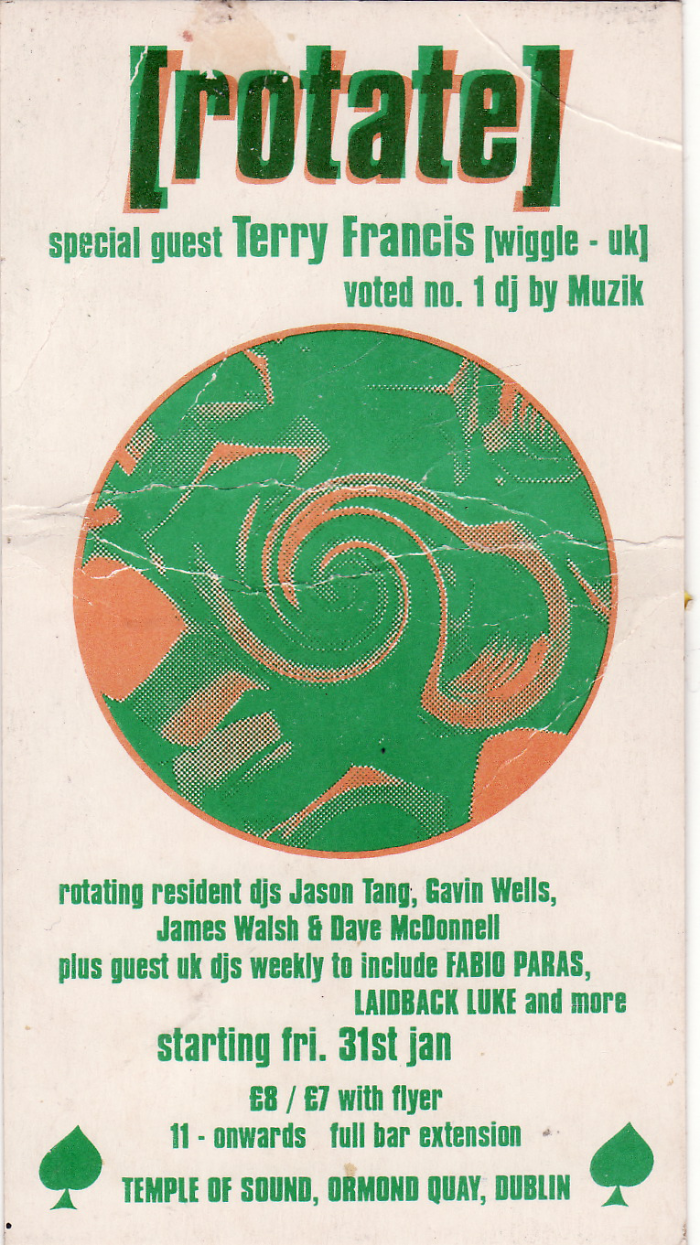

DJ SETS
Right click to open in a new window
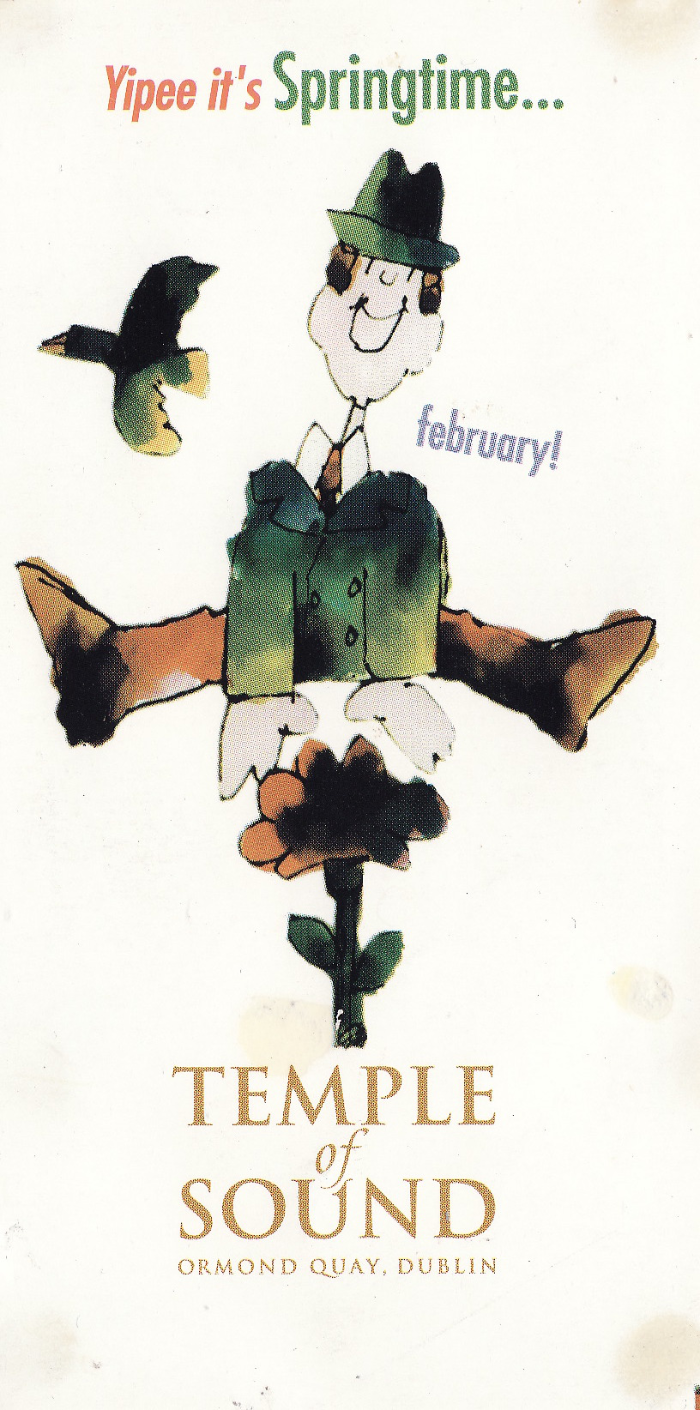
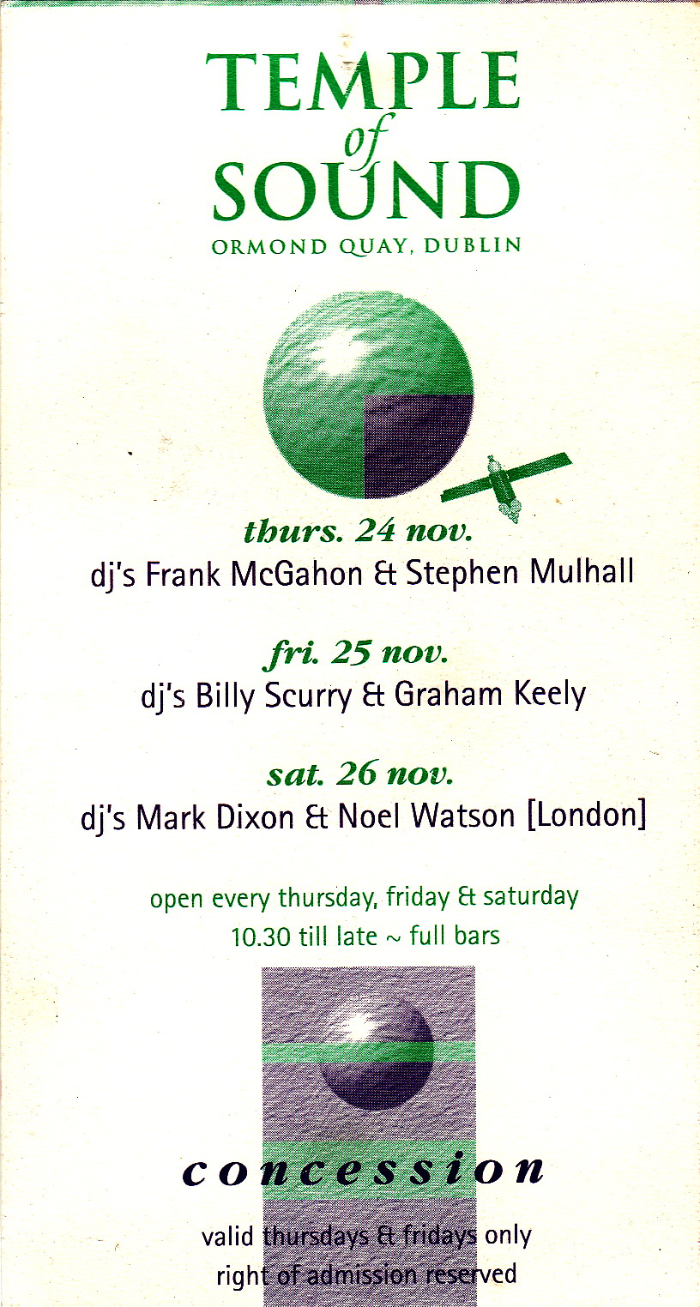
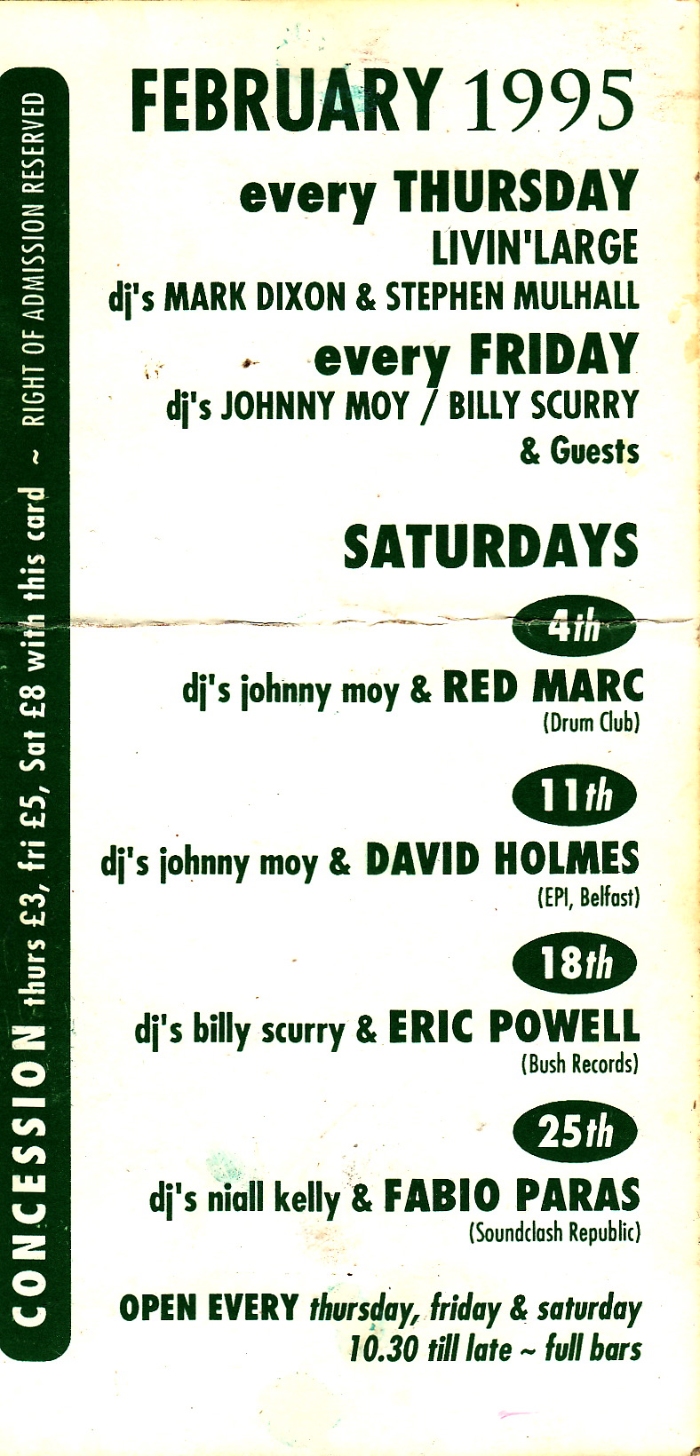
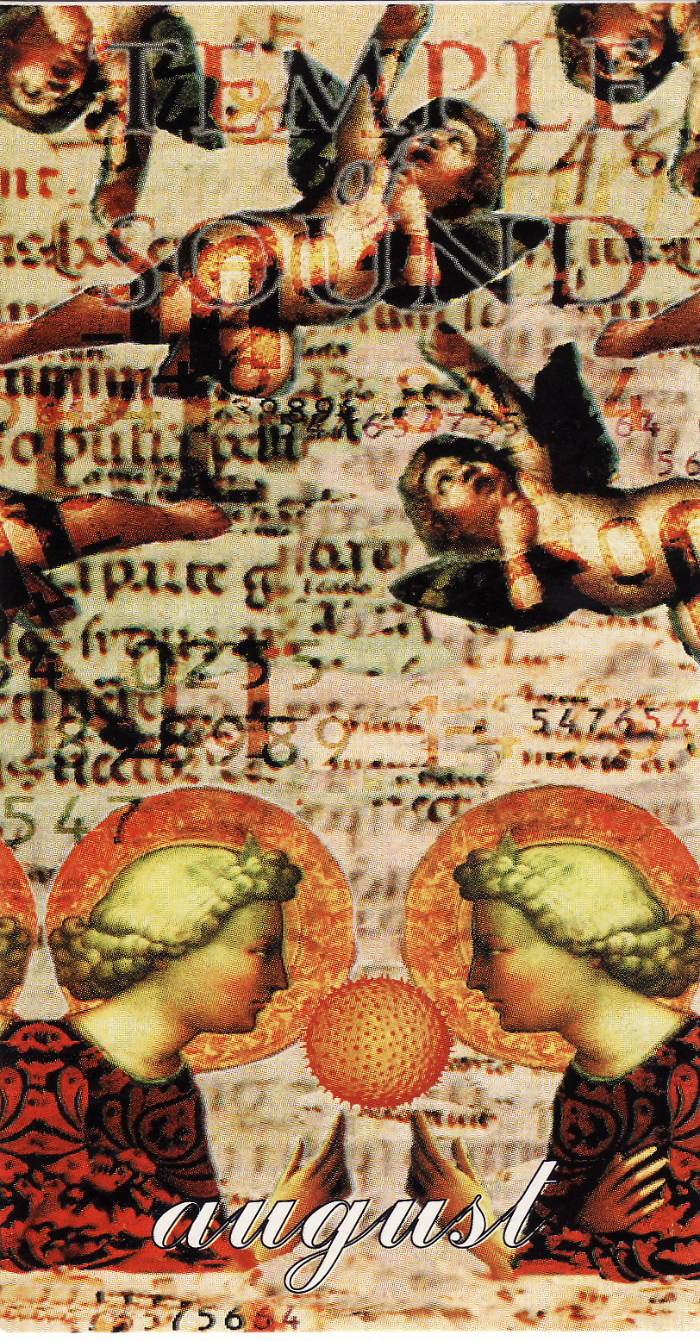
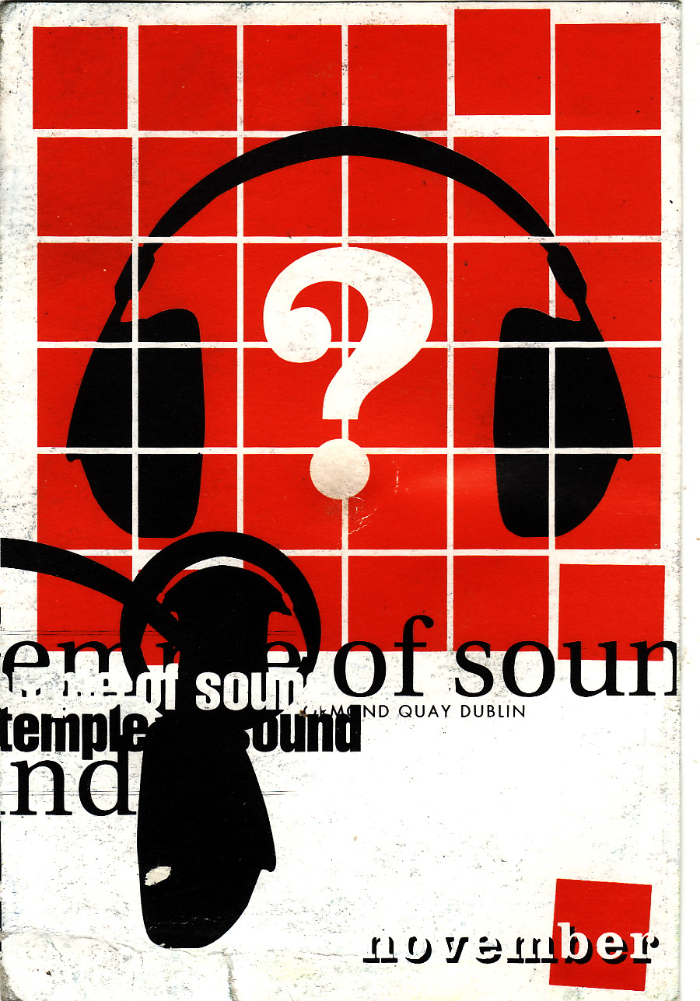
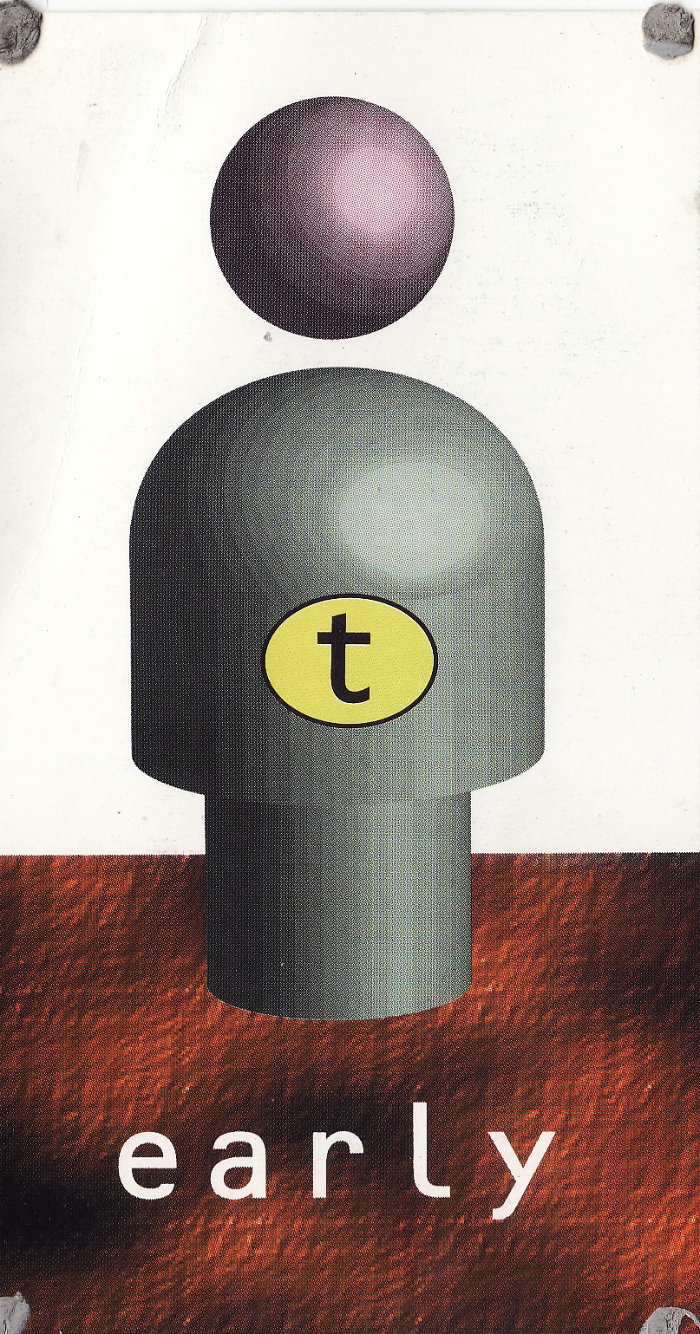
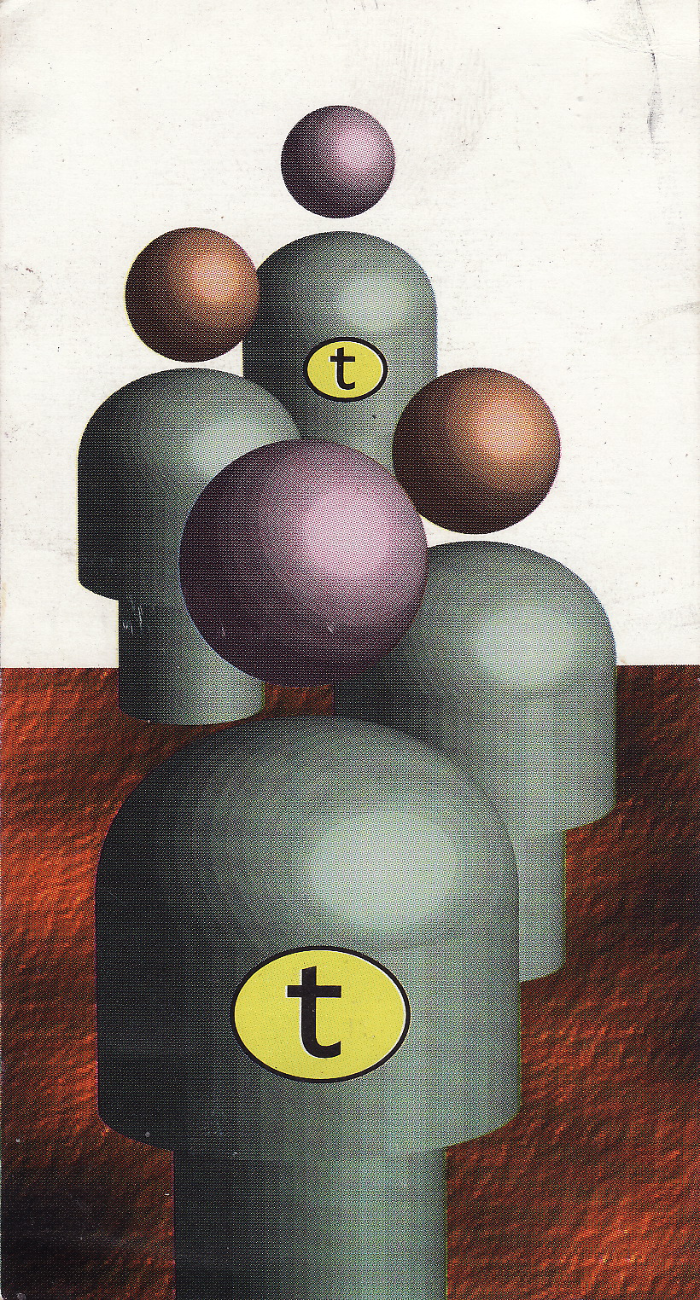
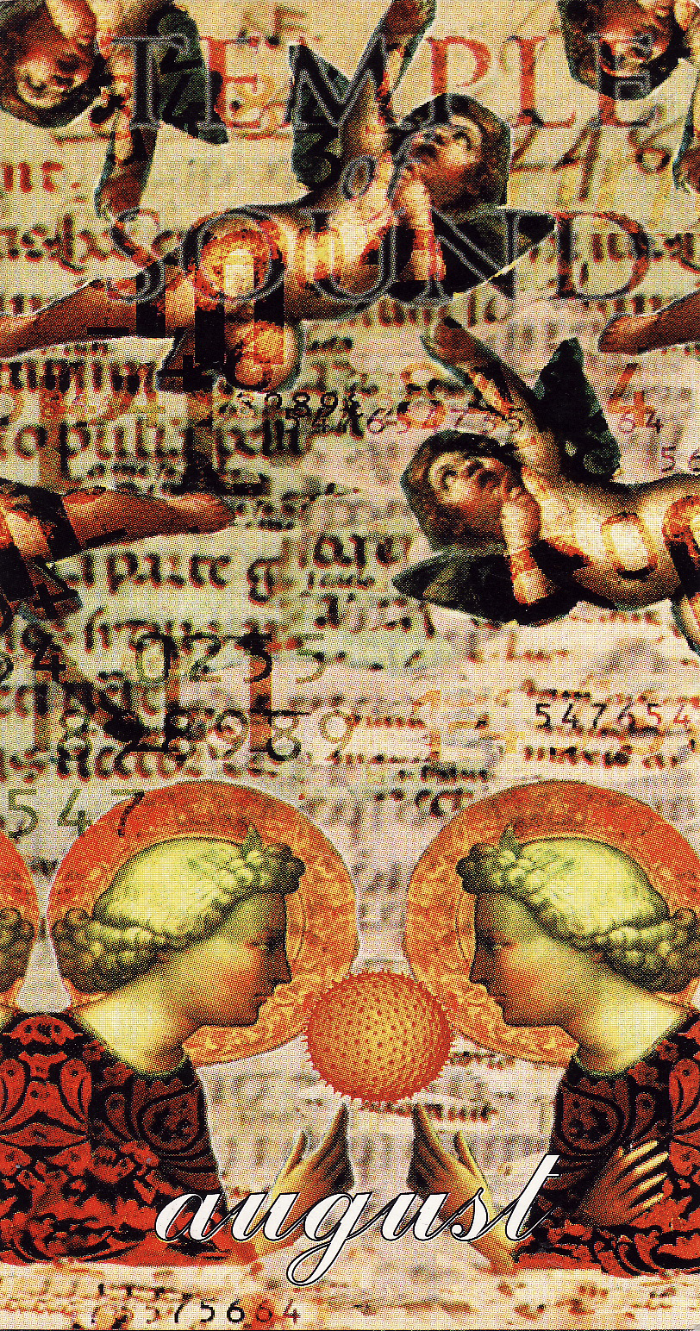
Temple of Sound – Livin Large 1995
WORDS #1
Johnny Moy
In conversation with 909originals.com
“At the Temple of Sound, Gerry Harrington [owner] gave myself and Billy Scurry full reign of what we want to do. He just said, ‘do what you’re doing with the Beat Club, bring them people here’. He provided a safe space, professional environment, proper bouncers. Also, I don’t know where this stupid idea came from, but they used to give out platters of fresh fruit in the middle of the night – some weird stuff.
“It gave us a vehicle – without risking our own money, which we didn’t really have at the time – to bring in guests on a very regular basis. We had guests like Scott Hardkiss, Derrick May, people from America that were really out of our reach, all the UK guys, Andrew Weatherall, Justin Robertson, Rocky and Diesel. We could bring them in on a weekly basis now. It really opened up the potential.
“I would say that was the tipping point for Dublin clubbing, because the people before that had the same people each week. It was like their little secret. But the Temple of Sound was like wildfire – it reached out to every suburb in Dublin and became a phenomenon very quickly.
“In the first two years, it was sold out every Thursday, Friday, Saturday and I think Sunday – it was completely rammers all the time, and there were queues down the road. It didn’t taper off for at least two years, and then the big nights would be the big nights.”
WORDS #2
Simon Conway
From Notes on Rave in Dublin documentary
“For me, the first place that I felt was a regular club was the Temple of Sound. I think it was around late ’93 when it opened, and that would have been the place for me and a lot of mates to go to on a regular basis.
“On a Friday, Johnny Moy and Billy Scurry did a night called Valhalla – they did that pretty religiously every week. It was a really nice build up through the night, Johnny would play some kind of chill out – you’d have stuff like Portishead or there might be some old Schoolly D or Sabres of Paradise stuff, and then it would slowly progress. By the end of the night you would have Billy Scurry rocking out some Roy Davis, acid jams or some of the Relief stuff that was out, or some Red Planet. It was a nice introduction to the teleological structure of DJing, and at the time it really worked well. You had a real choice selection of music.
“It wasn’t all focused towards the DJ in one direction. You got down the bottom of the the club, and you probably couldn’t even make out DJ for all the smoke machines. I’m not saying it was like Shoom, or this kind of like ‘religious experience’. But it was different from how club spaces seem to be set up these days.”
WORDS #3
Ciaran Nugent
From Notes on Rave in Dublin documentary
“When we were in our raving prime, [the Temple of Sound] was probably the place that we went to that was stuffed to the gills every weekend. You had these boxes along the side, and to my shame I danced on those boxes a few times, sometimes even bare chested.
“From there it went down to the dance floor, and in the far left hand corner, in the most awkward place, is where the toilet was. That was the Temple of Sound. I can remember it quite distinctly, actually.”
WORDS #4
Arveene
From Folklore from the Dancefloor
“My mate’s dad used to own the Temple of Sound, so I used to get into it when I was around 15. Once I got into the music, I discovered that my mate in class, who I sat next to – his dad owned the Temple.
“I was like, ‘Can you get your dad to let us into the club?’ He was like, ‘Yeah, no problem.’ We brought six lads from my class in one night.
“Ken Kane was the manager. He said, ‘You’re not getting in. Who are you?’ I said, ‘Well, we’re on the guest list.’ He was like, ‘Lads, you’re not getting in. This is a joke. Get out.’
“We got on the phone and called Mr. Coffey. He said, ‘Ken [Kane, manager], make sure these guys get in anytime they want to. Buy them a beer when they get in.’ I was around 15 at the time.
“When I was inside the club, everybody was so nice and friendly. I spent the whole night looking at the DJs, whether it was Green Velvet, Richie Hawtin, Claude Young, all these guys. Felix da Housecat, when he was really skinny and toned back then. You know what I mean – all the legends.”
WORDS #5
Dean Sherry
From Analog Rhythms discussion panel
“Johnny Moy made a huge impact with the Temple of Sound. He had the Beat Club originally, and then moved on to Temple of Sound, and he would have someone like Ashley Beedle or Justin Robertson playing on a Thursday night, and nobody knew who the fuck they were.
“People came in and and listened – it was a different movement. Himself and Billy were residents there, it wasn’t pretentious – it was just a bar, playing fucking great dance music.”
WORDS #6
Billy Scurry
In conversation with Dean Sherry, Phever
“[The Temple of Sound] wasn’t as cool as, say, The Kitchen or The Pod. It was still very music-oriented, as opposed to Saturday night suburban clubs, where you’re going out to wear your finery. You were going out to sweat. To names like Slam and Ian Pooley and Marshall Jefferson.”
SUPPORT ANALOG RHYTHMS: If you like what you see, why not pledge your support below to keep ANALOG RHYTHMS up and running. You can make a one-time donation or a monthly or yearly contribution. 🙂
Make a one-time donation
Make a monthly donation
Make a yearly donation
Choose an amount
Or enter a custom amount
Your contribution is appreciated.
Your contribution is appreciated.
Your contribution is appreciated.
DonateDonate monthlyDonate yearly ANALOG RHYTHMS – A CELEBRATION OF DUBLIN CLUB CULTURE
One thought on “Temple of Sound”