

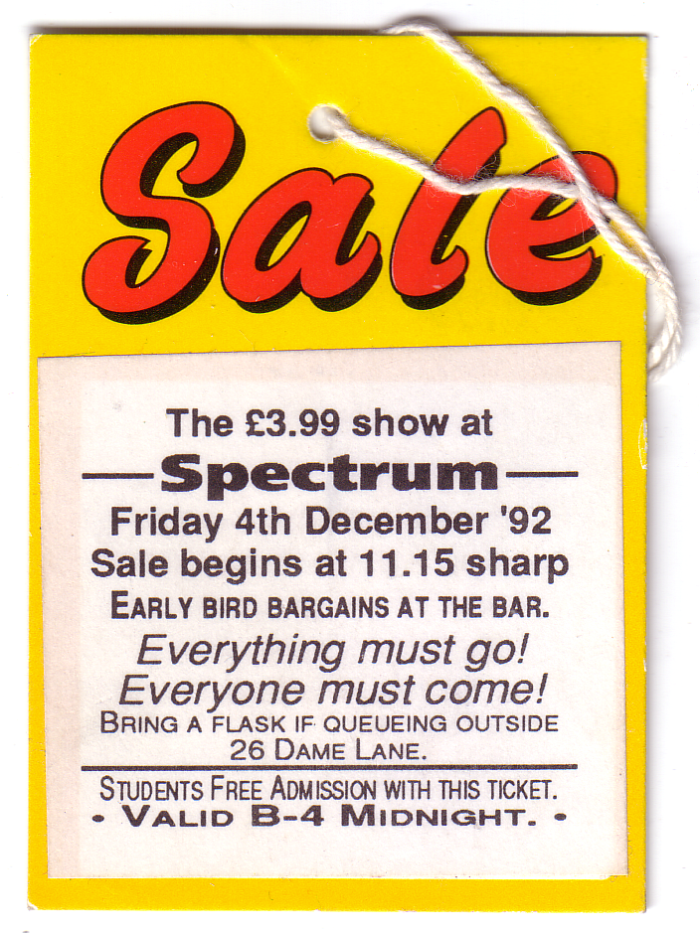
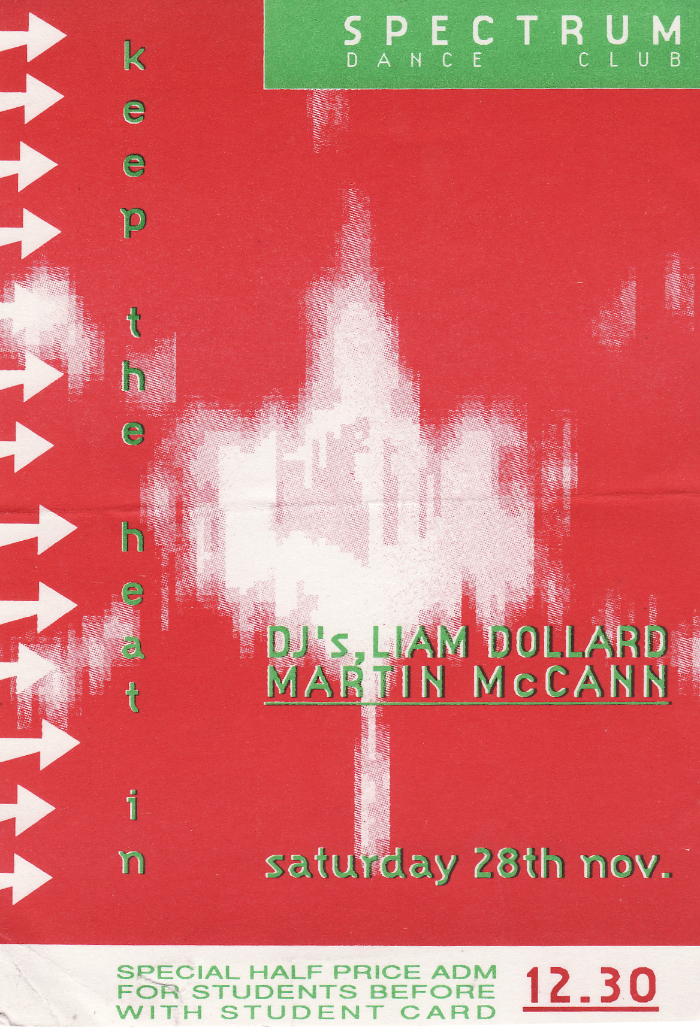
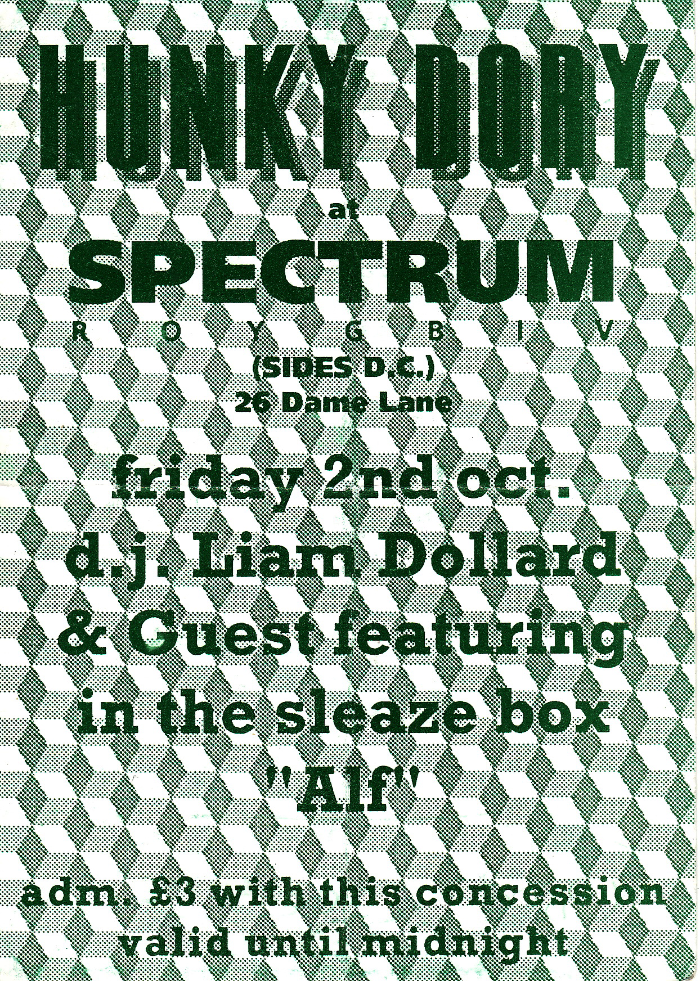
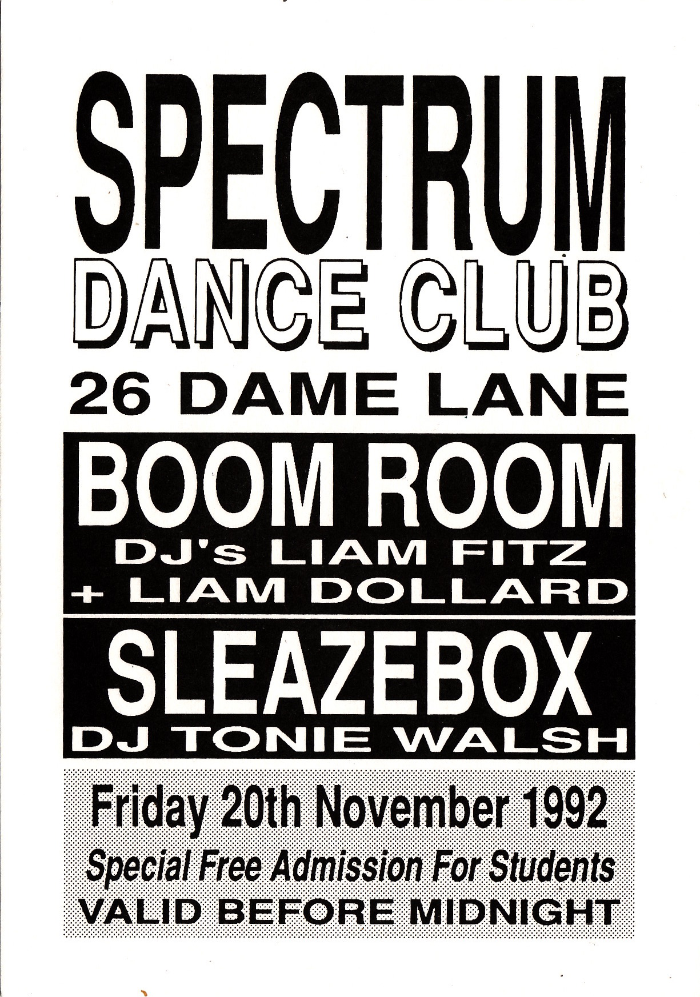
FLYERS


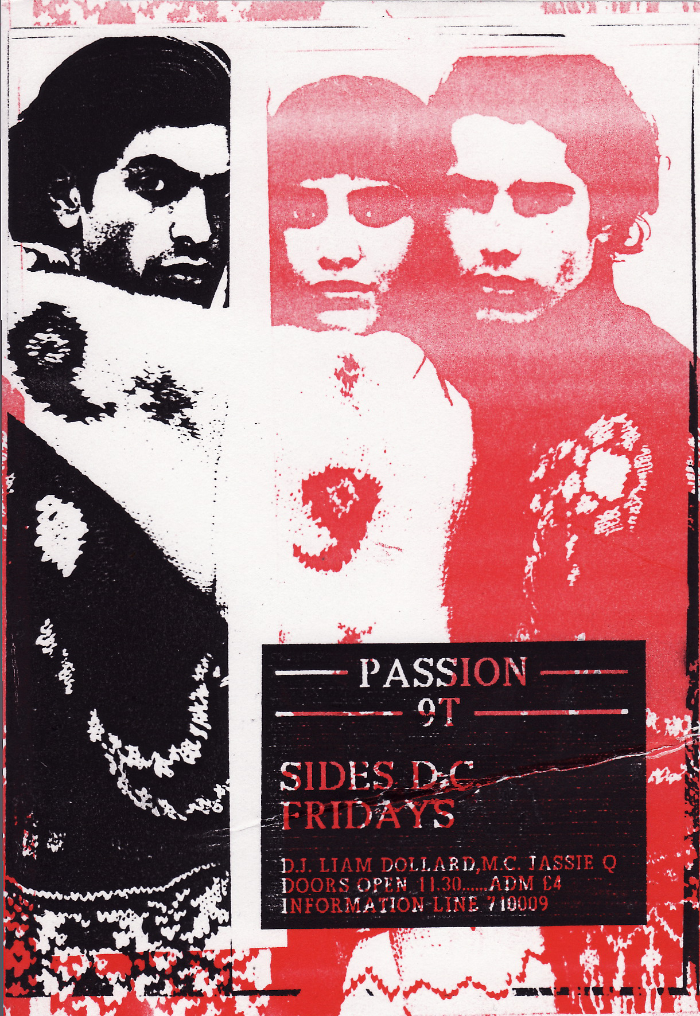
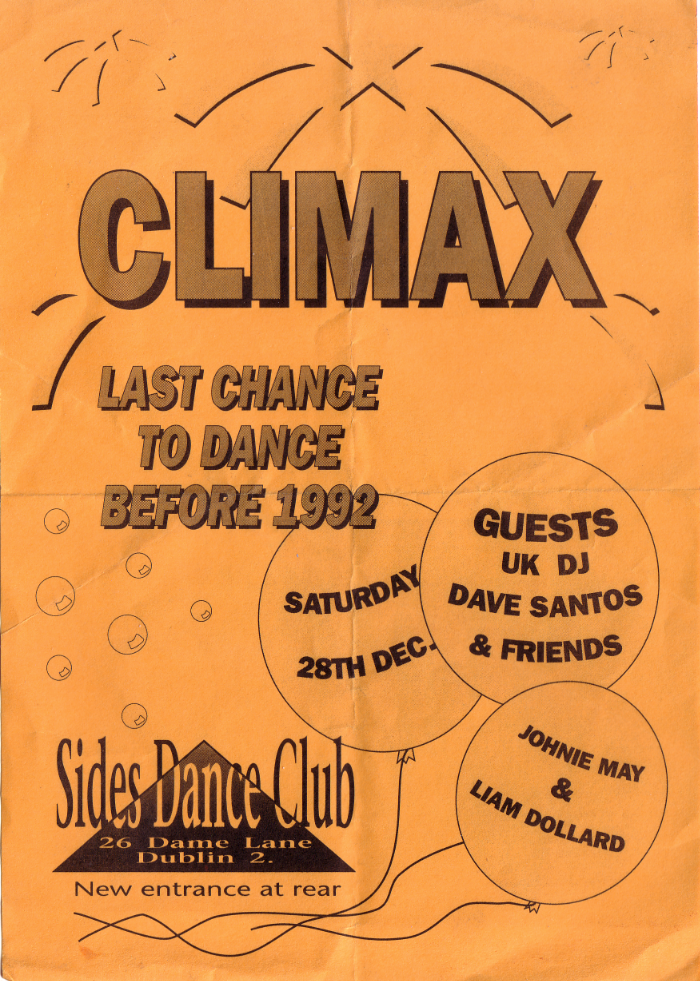
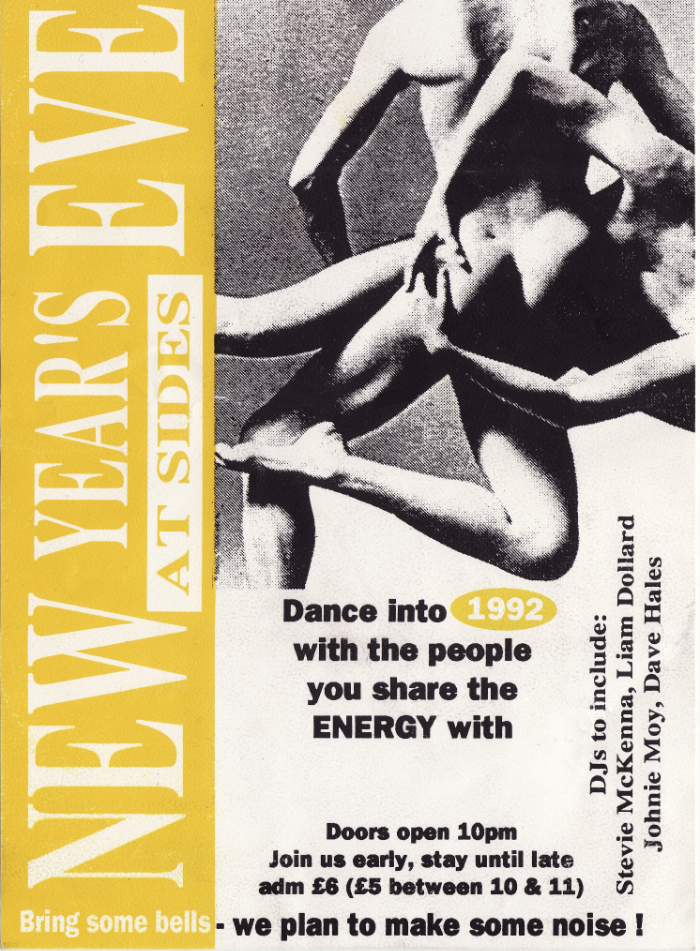


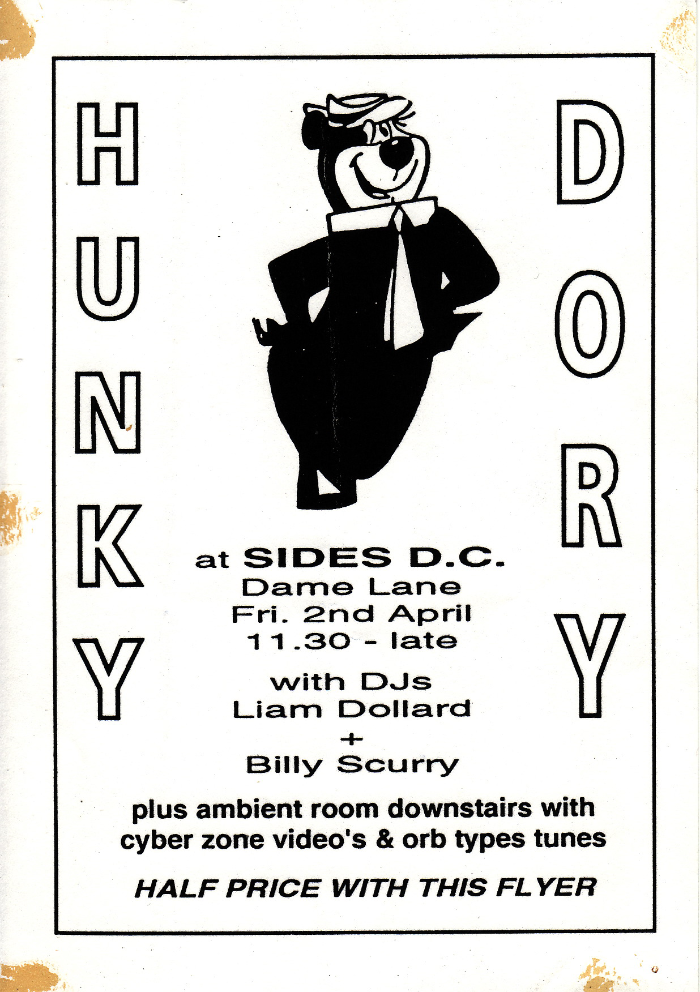














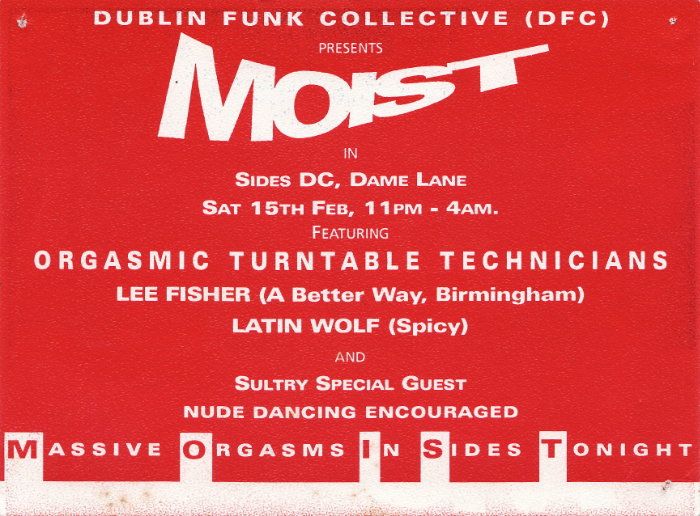
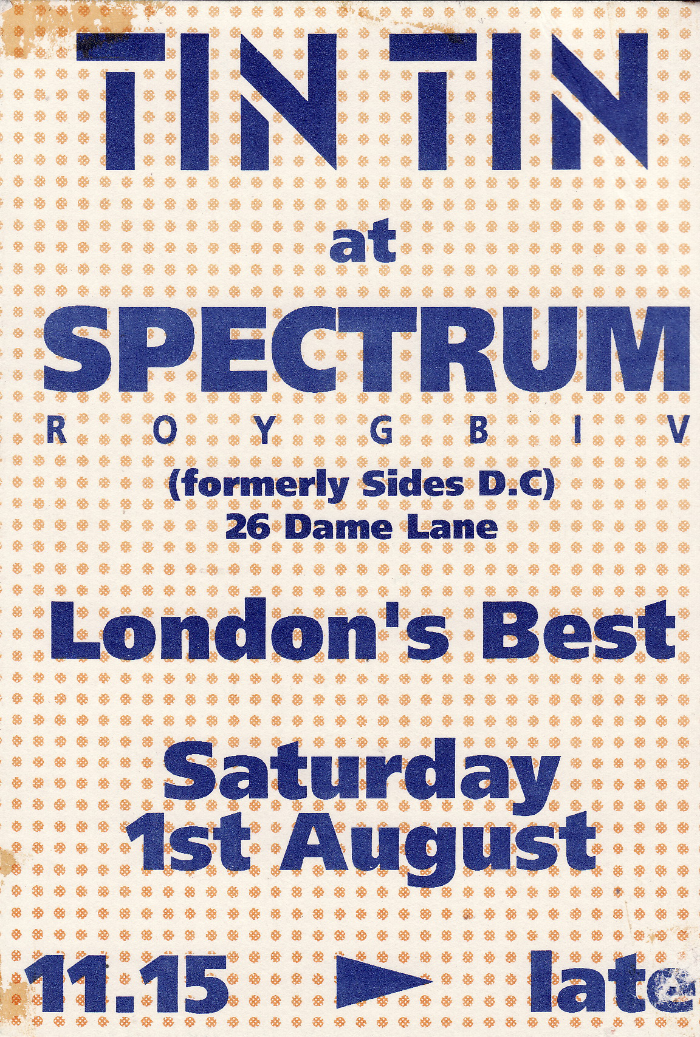
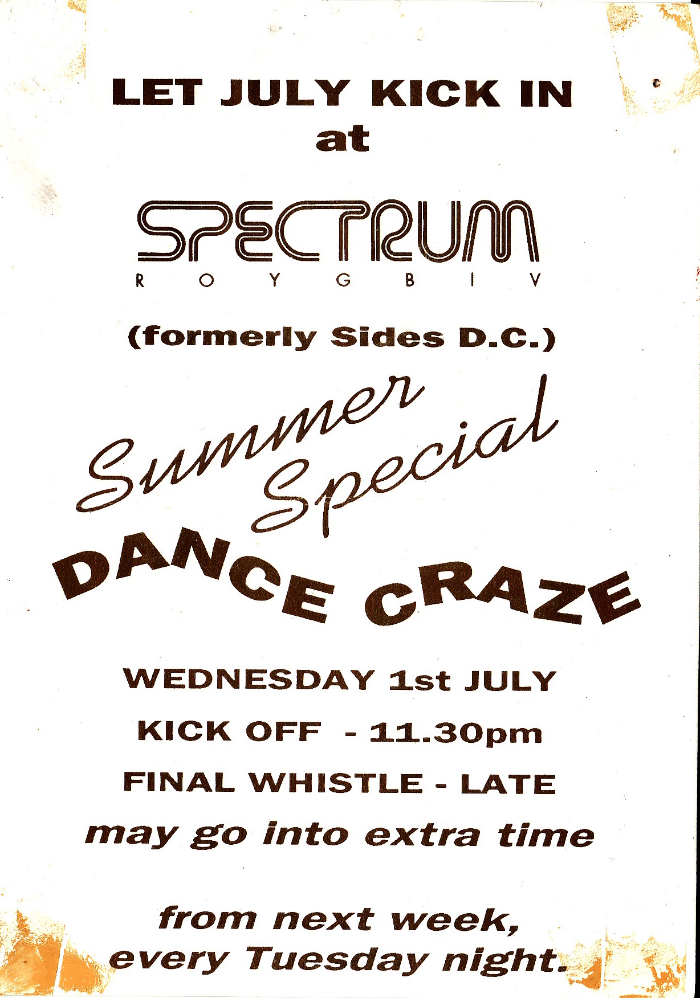


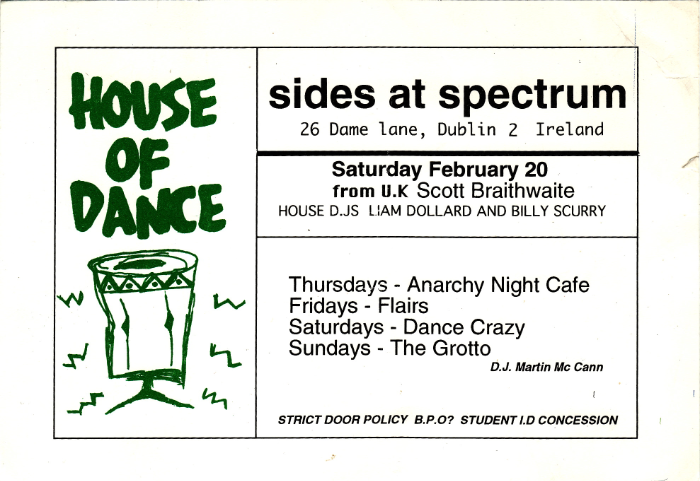

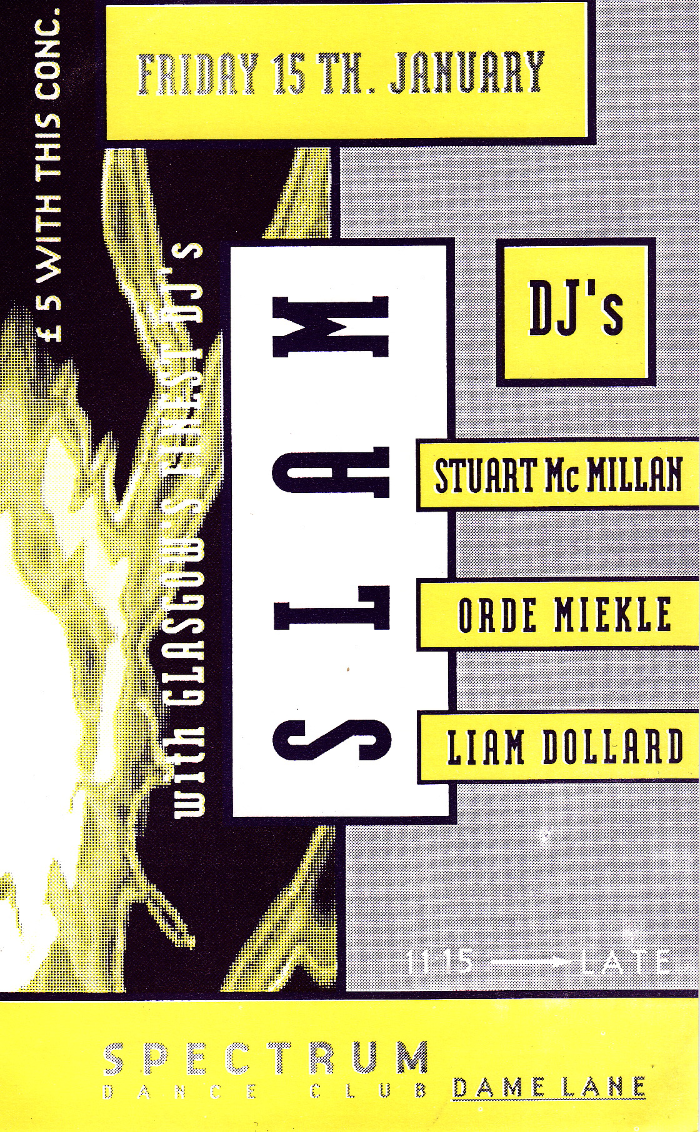


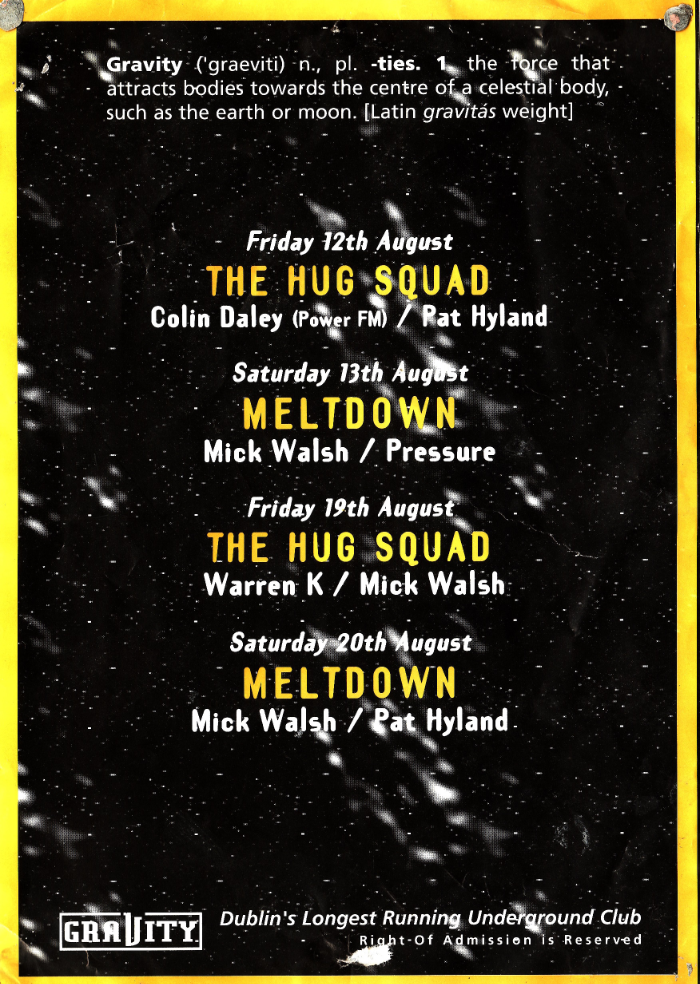


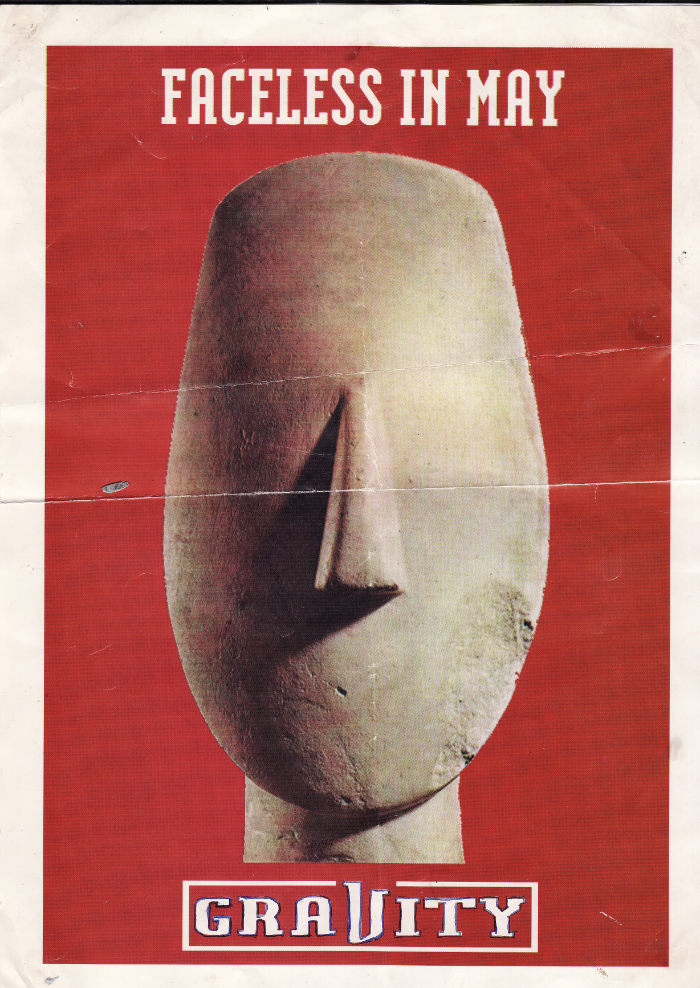
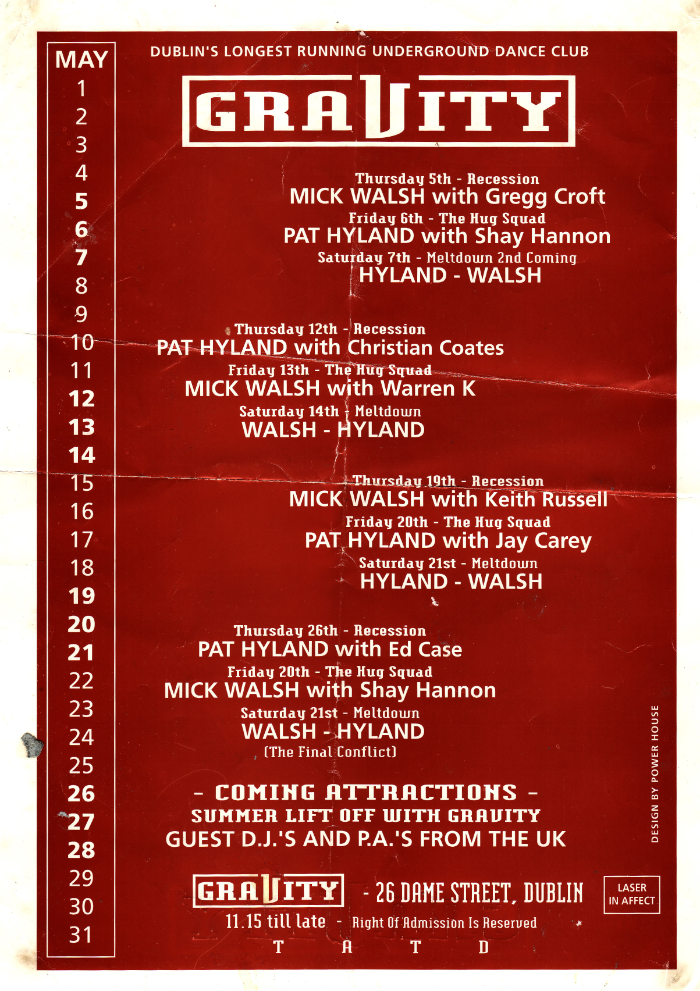
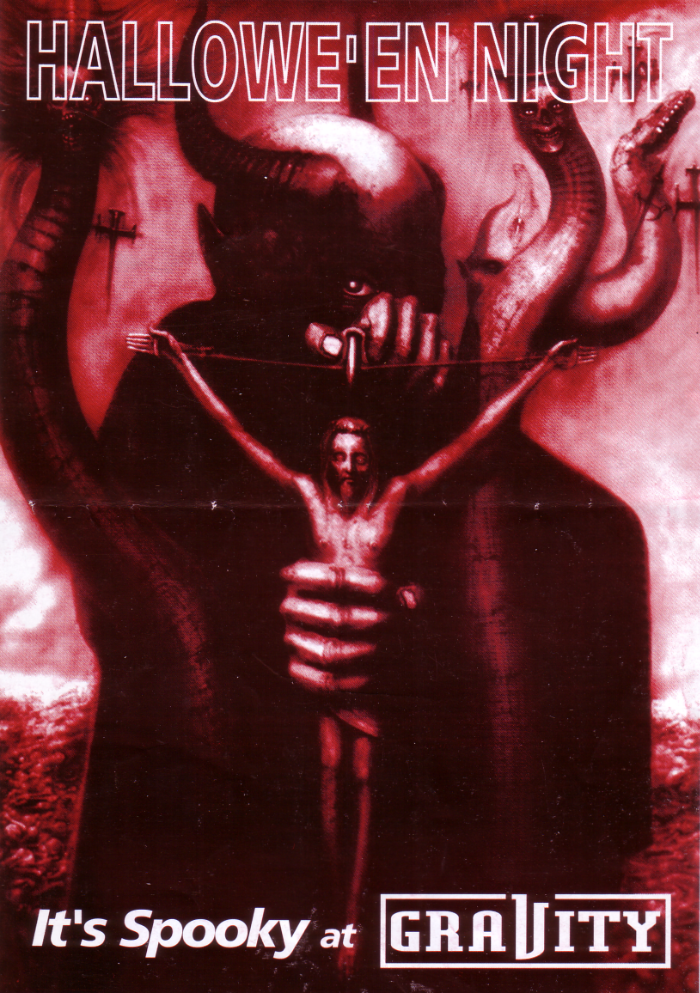


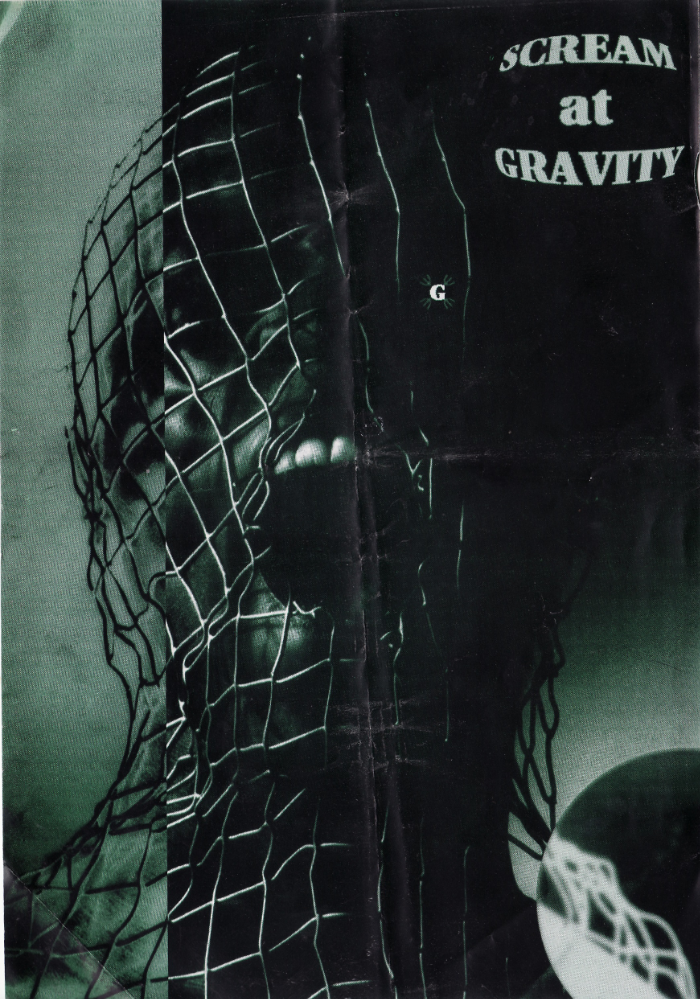
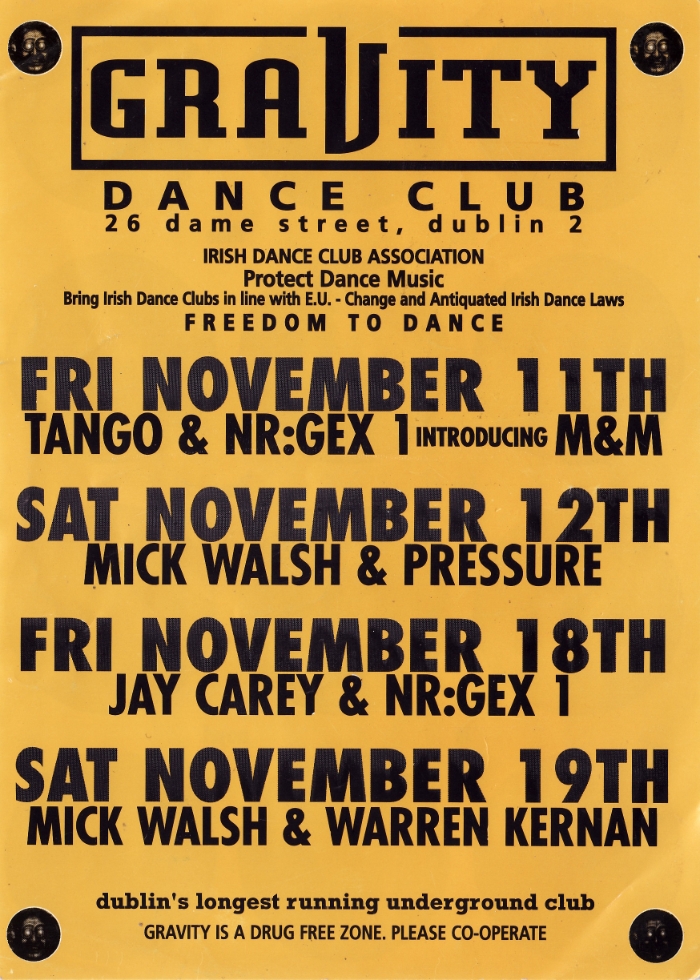

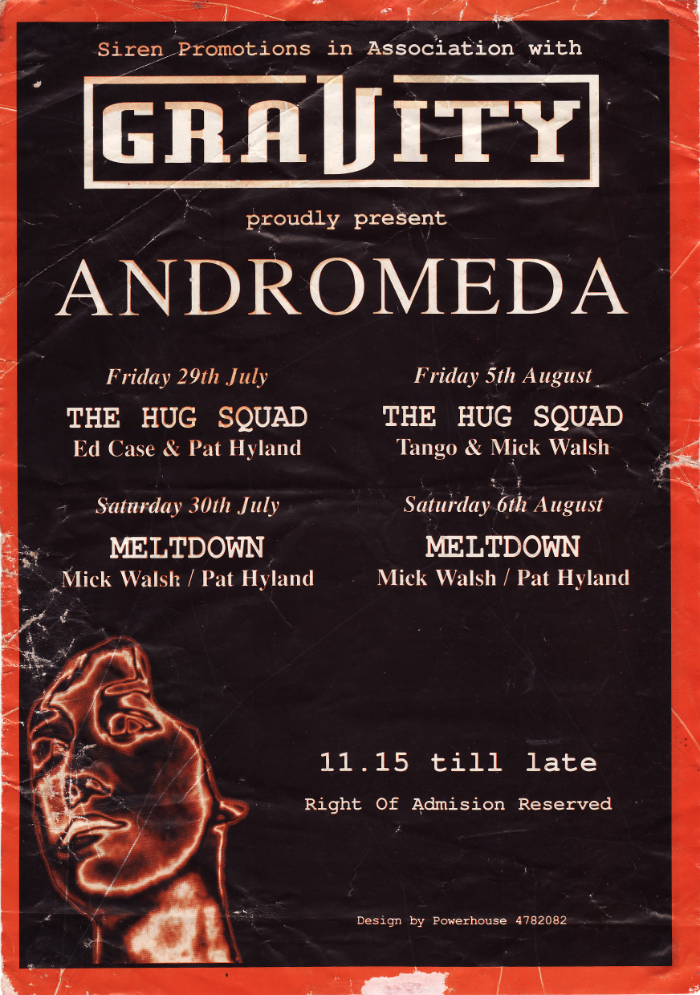

PHOTOS
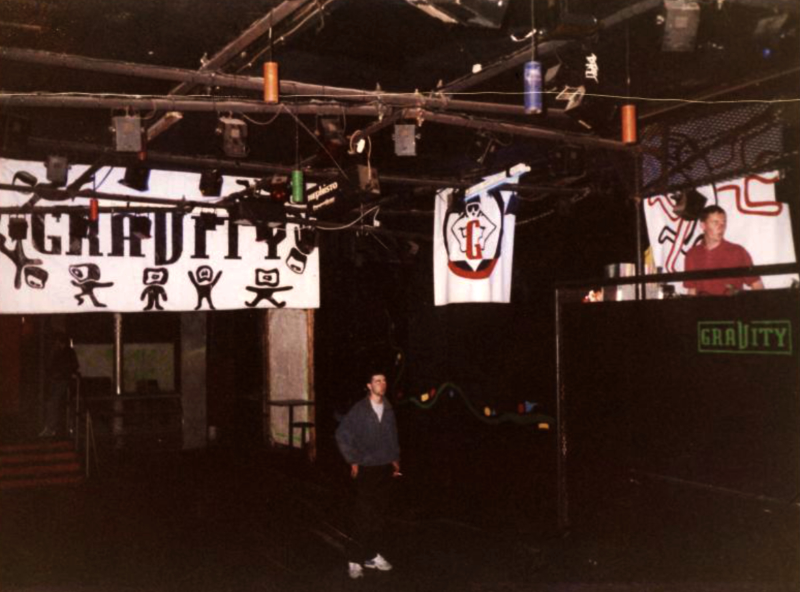

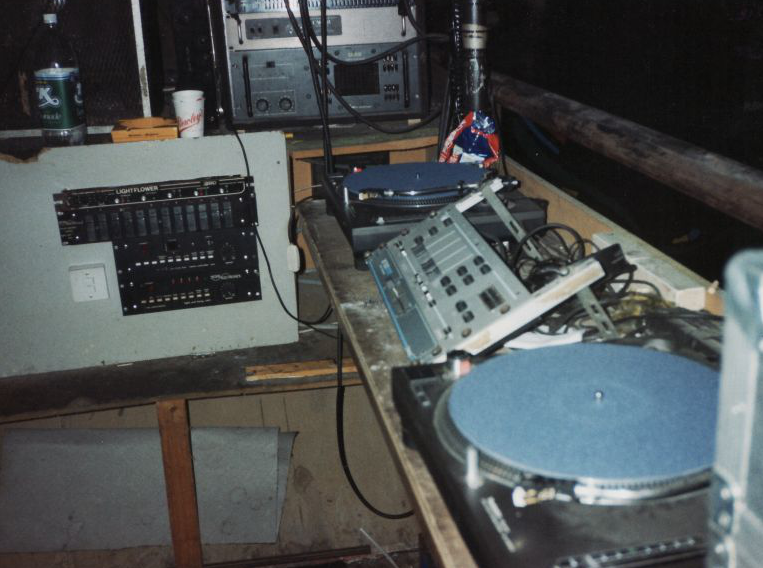

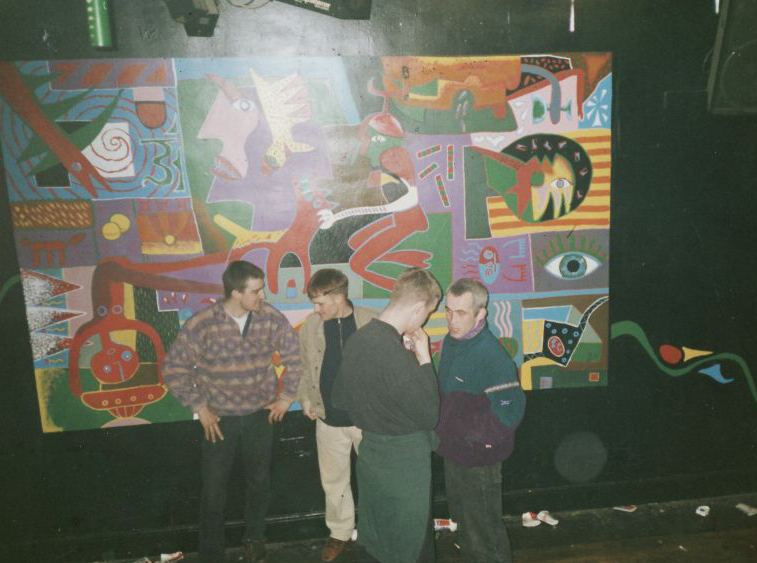

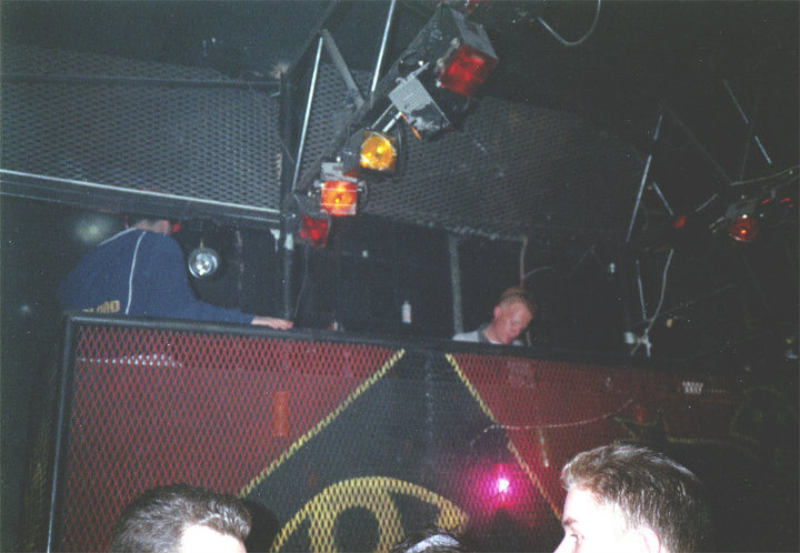


VIDEOS
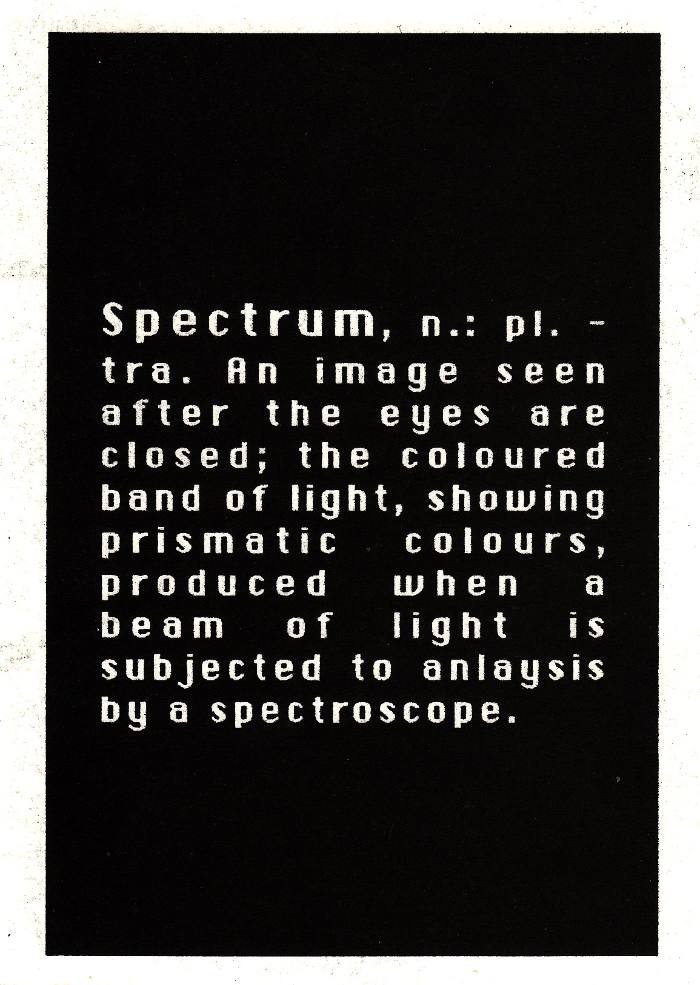
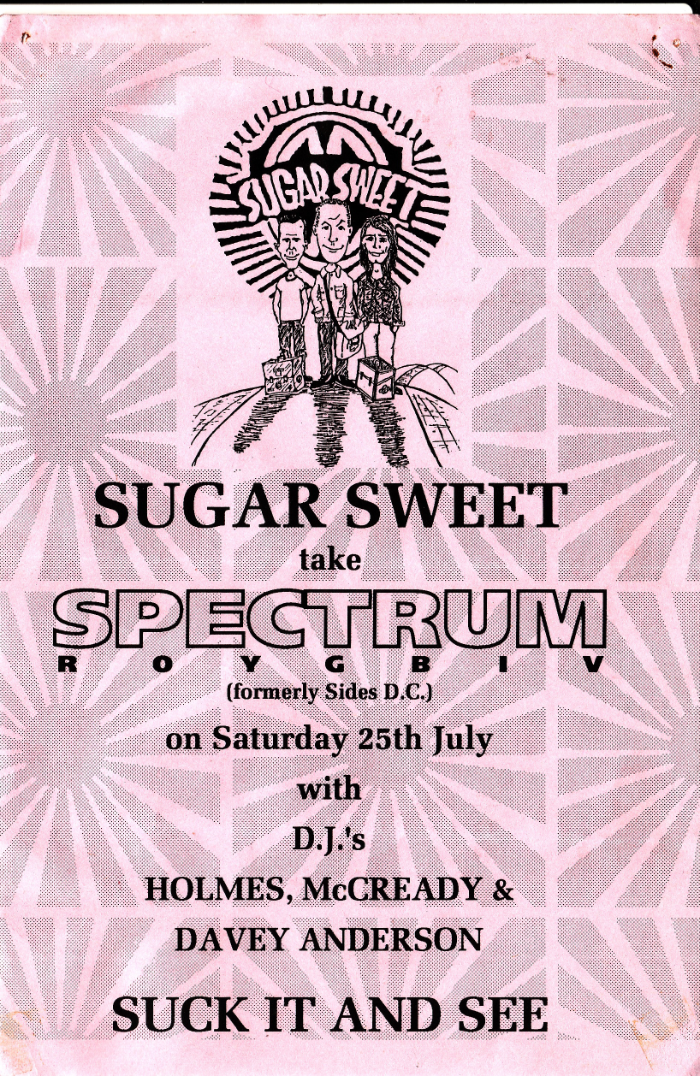
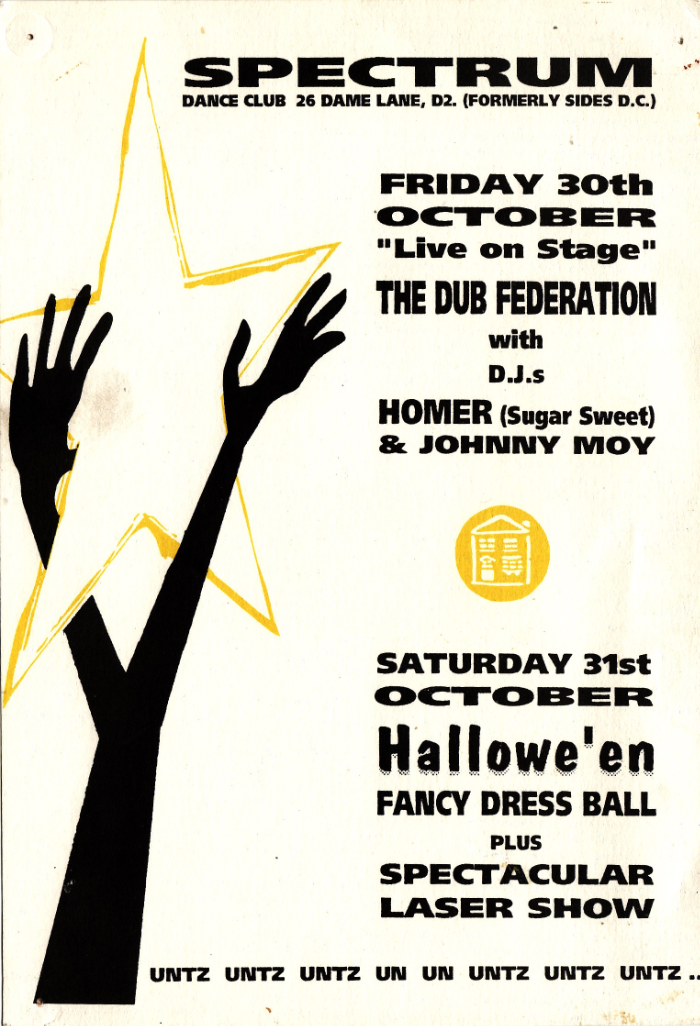
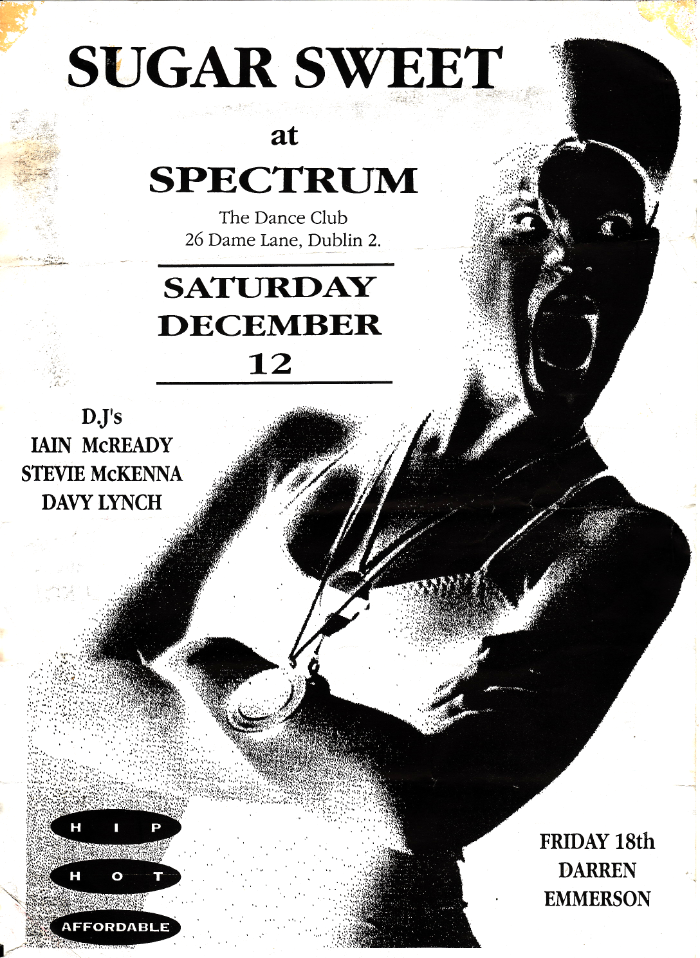
NR:GEX Sides DC, Recorded January 1994 and June 1995
DJ SETS
Right click to open in a new window
Jay Carey – Sides, unknown date
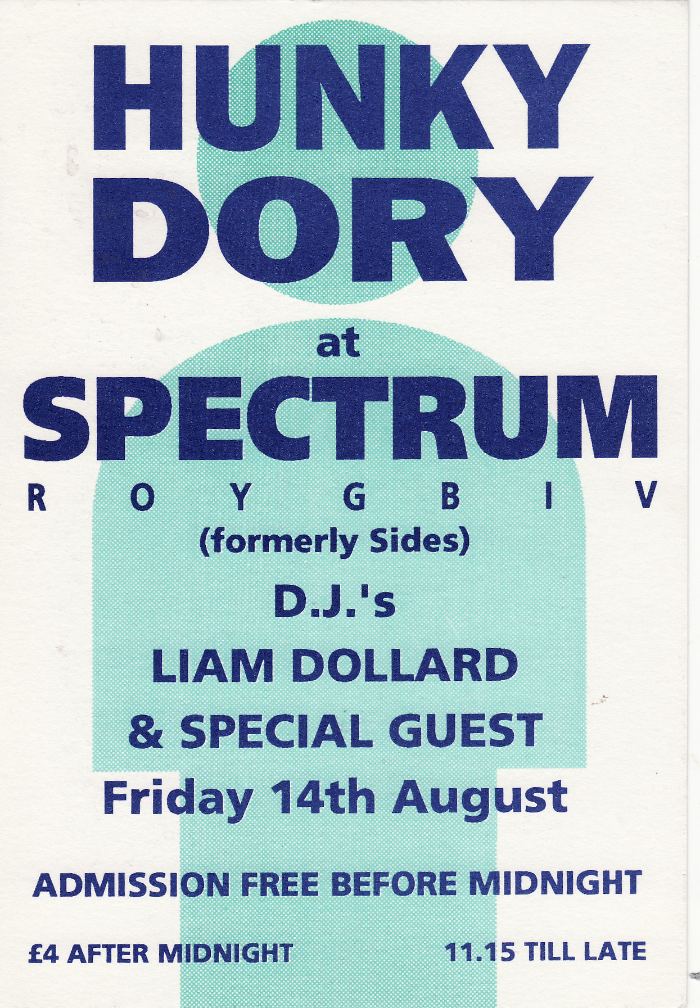
Liam Dollard – Spectrum, 15 October 1993
Mick Walsh – Gravity, 17 March 1995, part one
Mick Walsh – Gravity, 17 March 1995, part two
More Mick Walsh ‘Gravity’ mixes can be found here.
WORDS #1
From Disco Daze by Tonie Walsh
Originally published in d’Side magazine, 1998
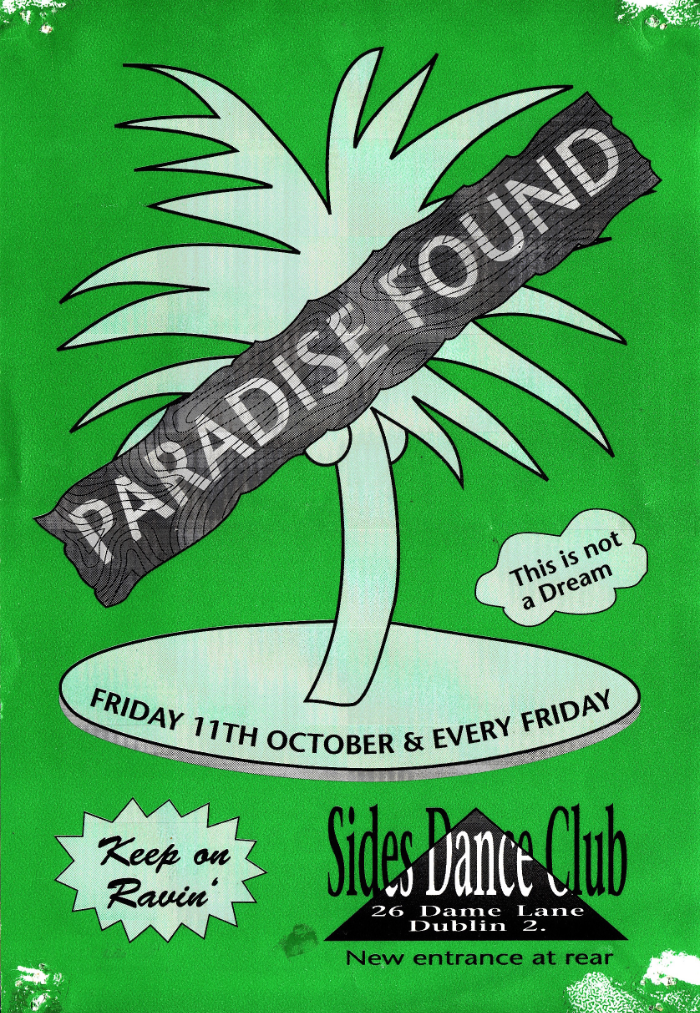
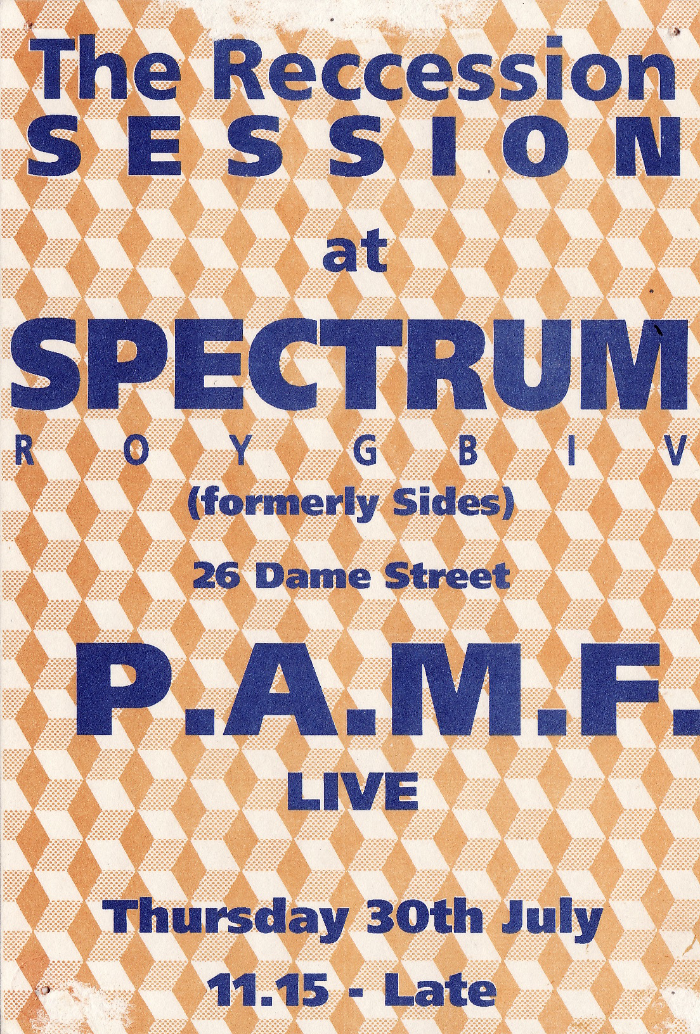
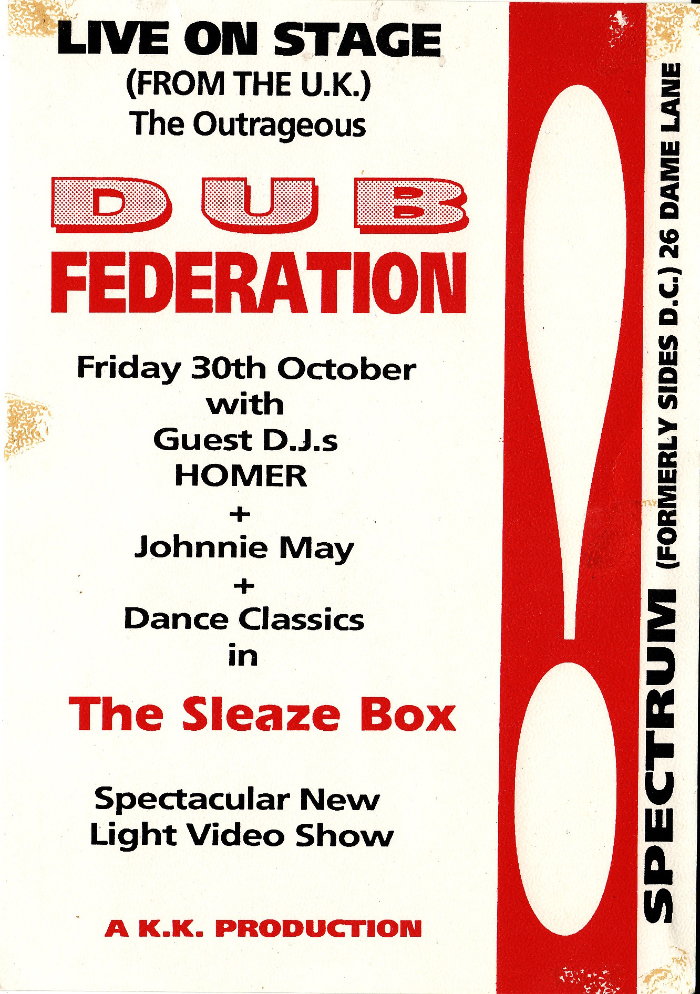
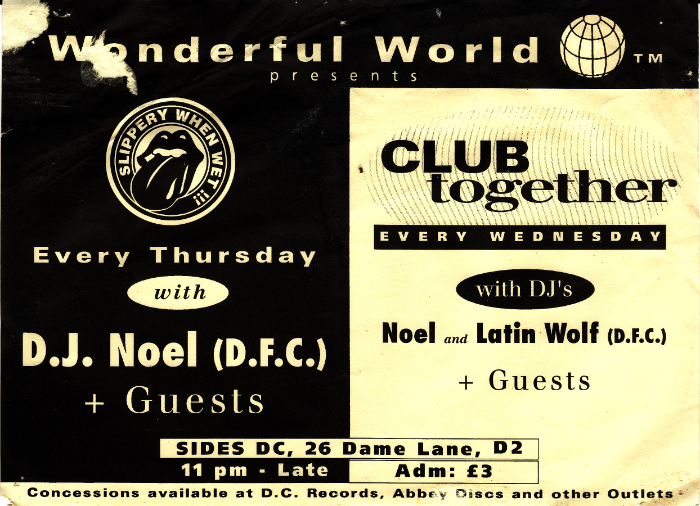
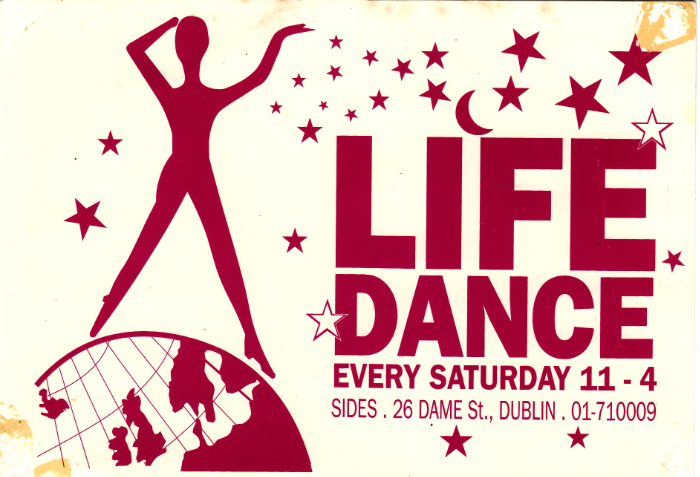
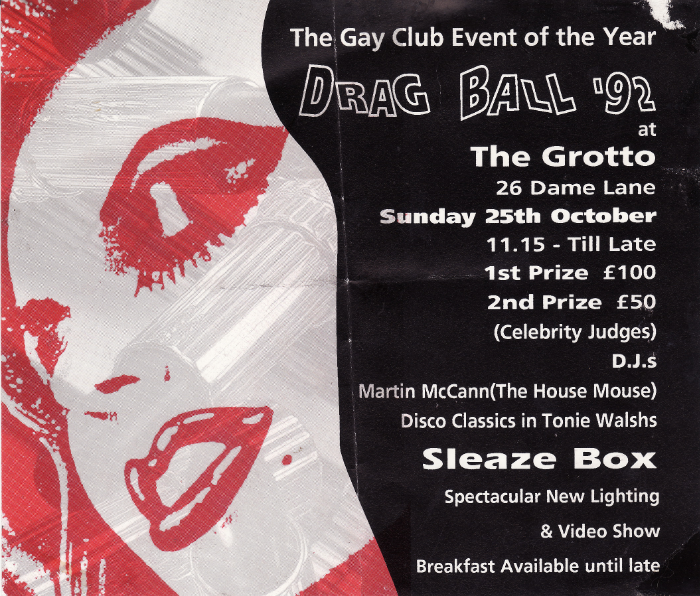
“Sides, on the site of what is now the Trinity Hotel in Dame Street, opened to much fanfare on St. Brigid’s Day 1986. Liam Fitzpatrick played to a rammed, ecstatic crowd while I dragged up and did the lights. Fitzpatrick, a mid-20’s roofer from Poppintree, had cut his teeth during the halcyon days at Flikkers and was a favourite of The Family. We staggered out of the place after 5am. almost disbelieving at what we’d witnessed.
“Sides was the brainchild of John Nolan who also acquired an investor in fellow Kerryman Cyril O’Brien (then operating a very successful gay sauna club called The Gym and The George bar, both a few metres apart on Dame Lane). Nolan was a key party player in The Family, had done the big clubs and the fag circuits in the US, and certainly knew what he wanted.
‘The basic concept behind SIDES was one of providing a high quality facility for gay people. It was felt that there was a gap which needed to be filled, an opening for an international gay club. In a way SIDES is a positive demonstration that the gay scene has come of age…all we want is a club where people will feel at home, a dance oriented club which remains fresh’ (John Nolan speaking to Out Magazine, Dublin, March/April 1986)
“Initially the Dame Street club operated an almost exclusive gay night on Saturdays called Side 1 and more experimental events (Side 2) on Fridays and Sundays, the latter devoted to some excellent cabaret and quirky entertainment from the likes of Agnes Bernelle, Hot House Flowers, The Diceman.
“The venue itself was a revelation. There was nothing like it in the country. It was an icon of minimalism, satisfying in its simplicity and breathtaking in intention. Here was a club that eschewed all the chrome fittings, black walls and generally dingy décor so redolent of the times. The dancefloor had high, white walls with spot lights running vertically from a ceiling unadorned except for three large terror strobes. There were 300w par cans buried into the stage at floor level that bathed the floor in warm washes of colour, imaginative banquette seating that could be re-configured from night to night, and a crisp, clean sound system. In the basement was a wine-bar and restaurant (The Ouzel Galley) which also operated during daylight hours
“In true underground fashion the club was left free to push the boat out as far as possible. Dancing would often go on until very late in the morning and there was the option of T-Dance on Sunday lunch time for the die-hards. It was sleazy but rarely seedy. Within a few months of the venue opening small capsules of white powder began to do the rounds. I knew it as the “love drug”, others called it MDA or MDMA. You got on that dancefloor and worked your ass off in the big tribal mating ritual, afraid to even go to the toilet for fear of missing something and breaking the magic spell.
“Sides was barely two years old when, a week after the loss of Flikkers, it also combusted in mysterious circumstances. There was much talk in the press of ‘an anti- gay backlash’ although the rumour mill was already suggesting an ‘insurance job’. The club was never the same again. A hired lighting and sound rig was temporarily installed but never matched the brilliance of the club’s original fittings and pointed to a lack of commitment on Nolan’s part.”
WORDS #2
John Nolan, Sides DC founder
Interview with RTE, 1986
“We wouldn’t consider ourselves alternative as such. We consider ourselves to be doing our own thing. We like to dance, we like to maybe dress in a certain fashion, but to us it’s not alternative. It’s just being ourselves.
“Primarily, it’s a dance club, which I opened about a year ago to fill a need in Dublin – well, I thought there was a need there anyway – for a genuine dance club.
“[People] don’t come to meet each other. They don’t come for the drink. They come to dance. So that’s why we try to provide the best DJ’s in the city, with a good choice of dance music. We have three different DJ’s, so you do get a variance for each night, but primarily it’s dance music they play.
“Our door policy, we wouldn’t discriminate on age. I suppose it’s style. You could say up to door. You know, you could have an 18 year old who looked good who we’d let in, but another club would say ‘no, you’re too young’. It’s the same with any age group – sex or age doesn’t matter.”
Paul Webb, Sides resident DJ
Interview with RTE, 1986
“I play music that isn’t dictated specifically by the pop charts. We delve into the indie charts, the dance charts, black charts, anything. There is absolutely no boundaries whatsoever – from country and western to rock and roll, to funk, to punk.
“A lot of people come here, they’re into dancing. They just want to get up and dance.”
WORDS #3
Liam Dollard
From Notes on Rave in Dublin documentary
“I came back from London – it was 1990. The dance music scene was really kicking off in England, and it was nearly mature at that stage – it was two years into it. They had their raves, the clubs were doing really well.
“I actually worked in the cloakroom in Sides for about two or three months when I came back. At that time, it was still Liam Fitz, it was more or less still gay. There was a mix coming into it.
“And then one night, I was asked to play at a warehouse party. It was just down the end at Thomas St, there was an old building there, and luckily enough, for me, a lot of people that were going to Sides came up to it. For that one night – it was a Friday night I think – Sides was more or less empty. The owners looked into why it was empty and they realised that the cloakroom guy was playing at a warehouse priority and had robbed all the punters. So they sacked me, and offered me a job as one of their Friday night DJs. And that’s how I started in Sides.
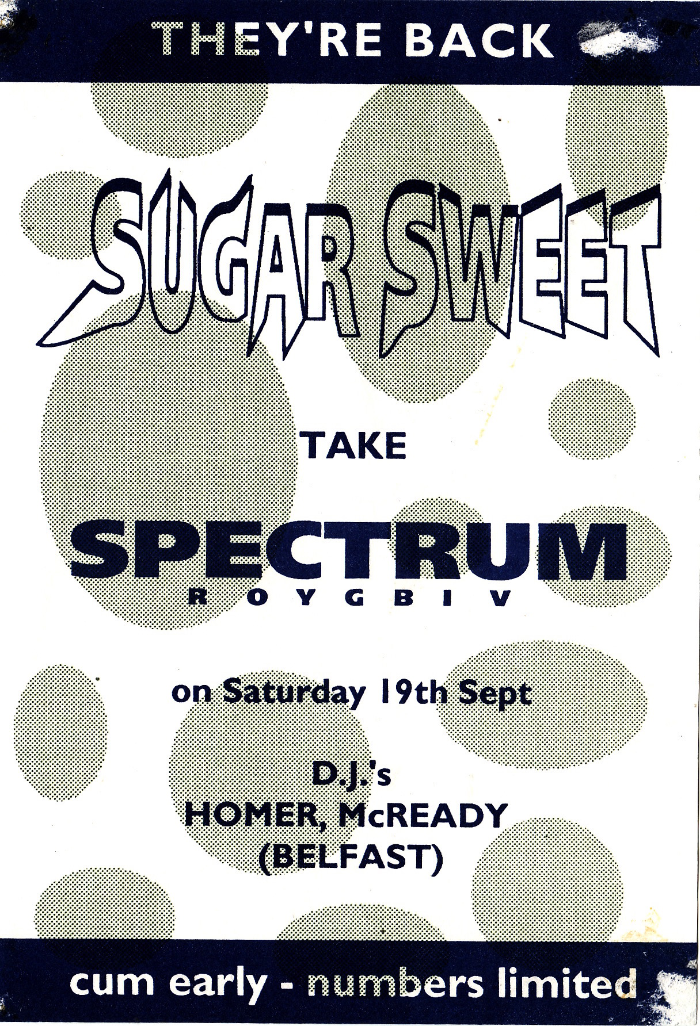
“There would be a gang that would come down from Belfast. They would add an extra 60 to 70 people. They were just special nights. […] When they were coming down and mingling with it with the Dublin crowd, it was all fairly about good music. There were no yokes in the place, it was more of a trippy vibe.
“Then all of a sudden it was a complete change. There was a different vibe going on – basically there were yokes there, you know what I mean? That’s how the Dublin crowd got into it, and that’s when it all changed for me.”
WORDS #4
Shelley Bartley
In conversation with 909originals
“I started going to Sides when I was a teenager. I loved the fact that I could wear what I wanted in there. I loved Adamski, S-Express, and the indie bands of the time as well. It was when acid house was starting to take over, and that whole vibe. I had never experienced it before – here was a group of people that really accepted me for who I was.
“I went to a convent school, and the nuns were horrific to me – they abused me physically and emotionally – then I went to a technical school in Fairview and I used to get f**king bullied there too, because I didn’t wear tracksuits all the time. So when I found these people, I felt at home straight away. It was the beginning of all that for me, I finally felt accepted.”
WORDS #5
Mark Kavanagh
From Facebook, edited
“The first ever DJ weekender was run in Ireland at Sides DC in Dame Street in March 1991. It was a few weeks before the first ever ‘rave’ at the Olympic Ballroom and on the first night of it Primal Scream were playing elsewhere in Dublin, at the SFX apparently. I vaguely recall them being supported by a long- haired Andrew Weatherall who arrived into Sides DC after the Scream gig clutching a bottle of vodka hidden under a long great coat. Jumpin’ Jack Frost played; he was the first DJ I ever saw scratch, he scratched his name as part of his intro. Greg D, Mike Pickering were on the line-up too.
“What John Murphy, Liam Dollard and others did at Sides changed so many lives, including my own, for the better; and to be associated with that most golden era of Irish clubbing in any way at all is incredible. [What] they along with Liam, Billy, Johnny Moy, Niall Comiskey, David Hales, Pat Hyland, Mick Walsh, Warren Kiernan and others did for our city in 1991 was revolutionary in a way that I, and I am sure others, did not appreciate fully at the time. How could we?
“Tonie Walsh touched on clubland’s special friendships and relationships recently when he hosted the first in a series of Dublin After Dark conversations at the RDS. He wasn’t kidding. The affection, respect and admiration that I have for all of the above named pioneers (and countless others) cannot be put into words: big love is only the beginning of it.
“A favourite Sides memory from that era is Rocky & Diesel playing the Clivilles & Cole remix of Michael Jackson’s Black Or White as an encore. I was dancing to it down near the front door at the Dame Street entrance with a spiky-haired Billy Scurry and Nigel nearby (they were both wearing shorts, you don’t forget these things). The atmosphere was so unparalleled and unprecedented that the hairs on my neck still stand up thinking about it now, almost quarter of a century later.
“Sides didn’t just change our world, it changed the world full stop.”
SUPPORT ANALOG RHYTHMS: If you like what you see, why not pledge your support below to keep ANALOG RHYTHMS up and running. You can make a one-time donation or a monthly or yearly contribution. 🙂
Make a one-time donation
Make a monthly donation
Make a yearly donation
Choose an amount
Or enter a custom amount
Your contribution is appreciated.
Your contribution is appreciated.
Your contribution is appreciated.
DonateDonate monthlyDonate yearly ANALOG RHYTHMS – A CELEBRATION OF DUBLIN CLUB CULTURE
One thought on “Sides DC / Spectrum / Gravity”