
FLYERS









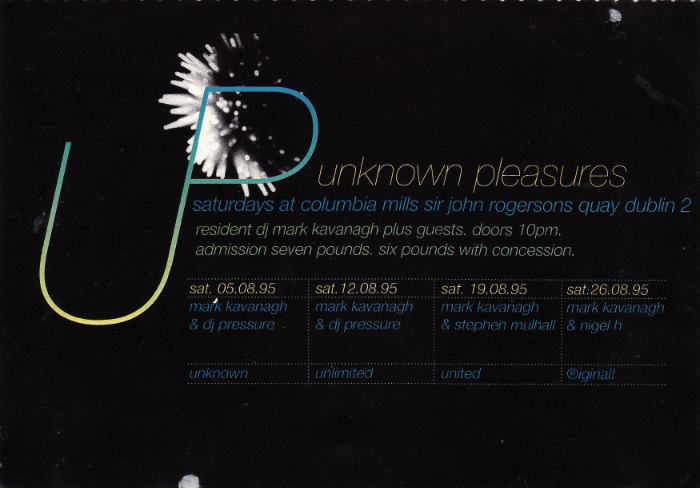
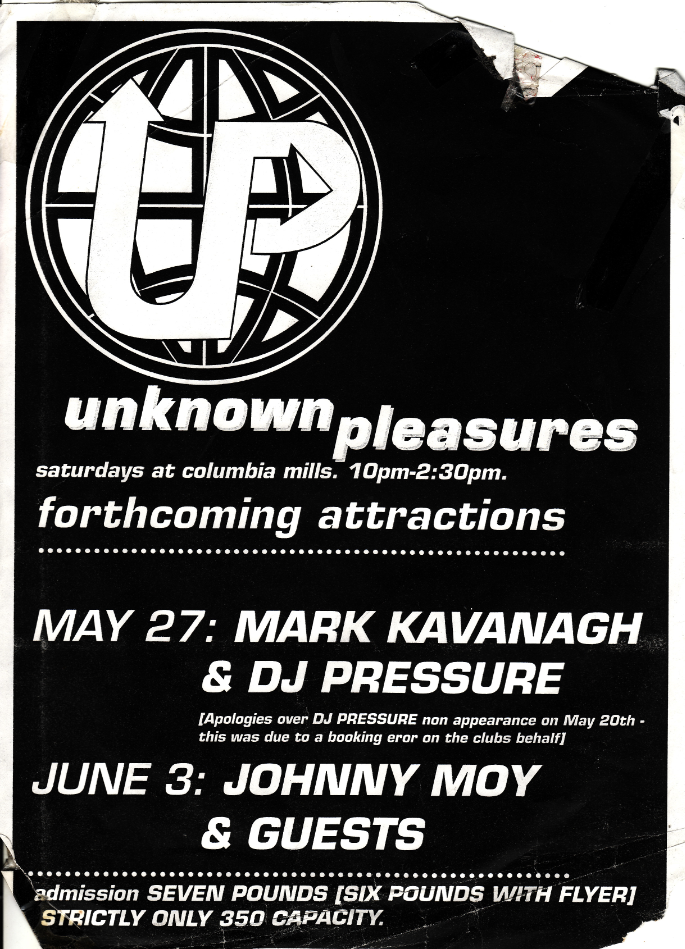

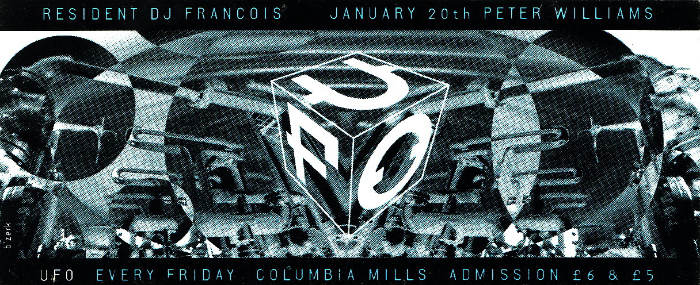
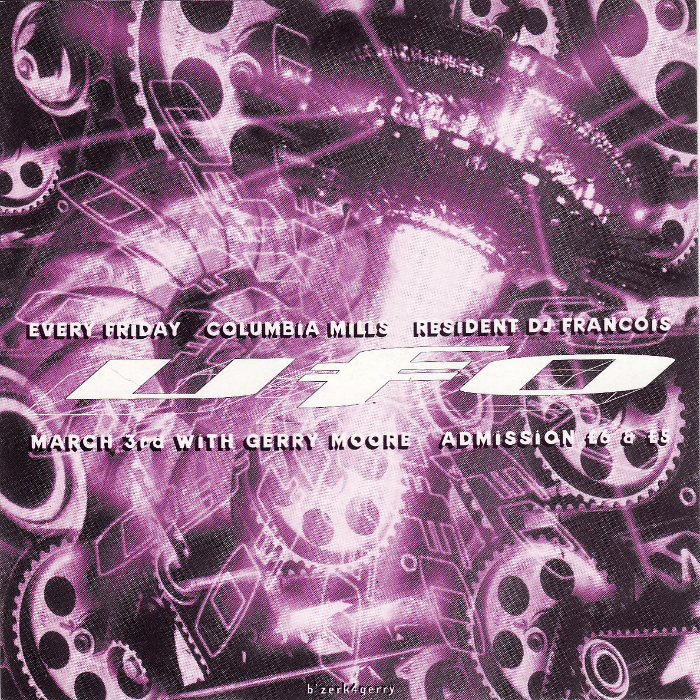


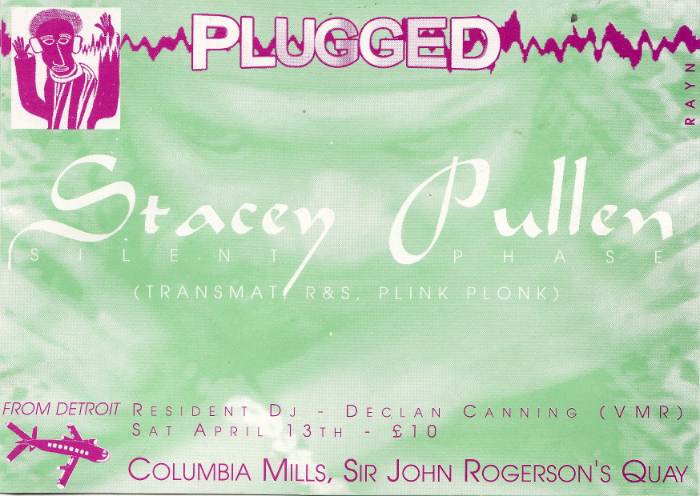
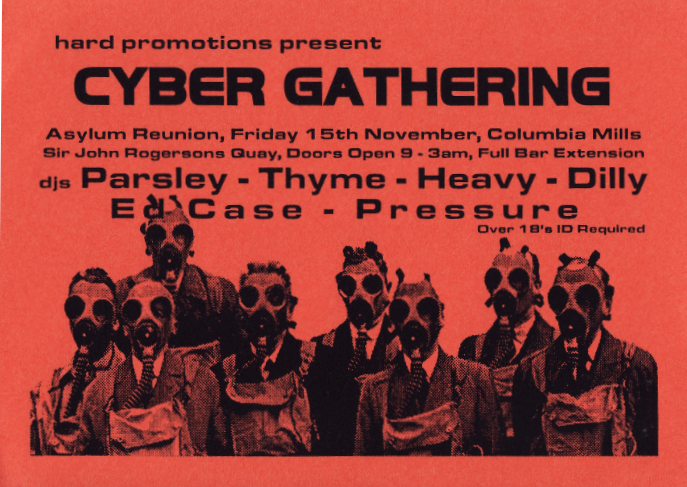
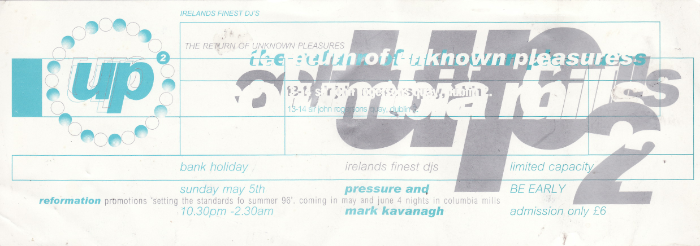
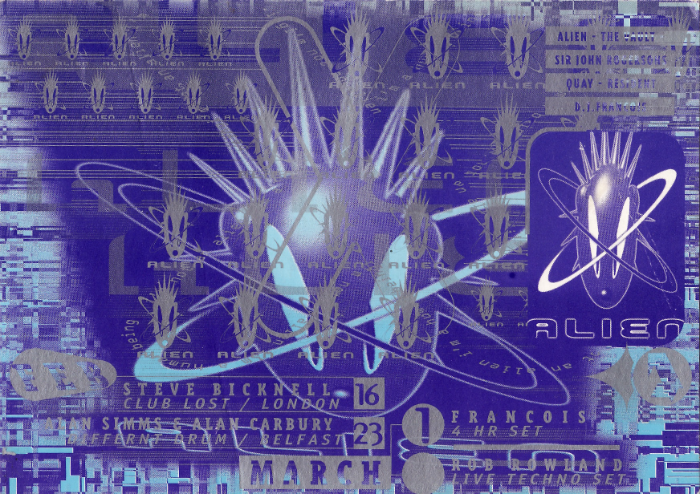


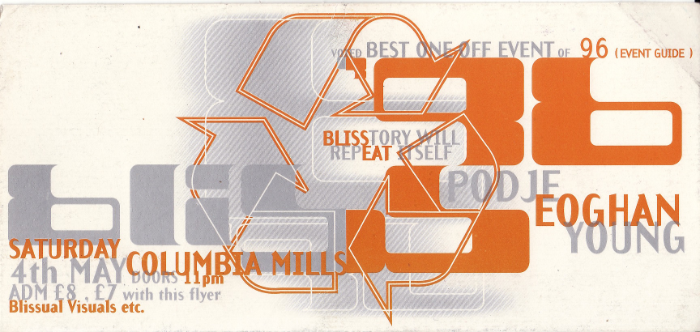


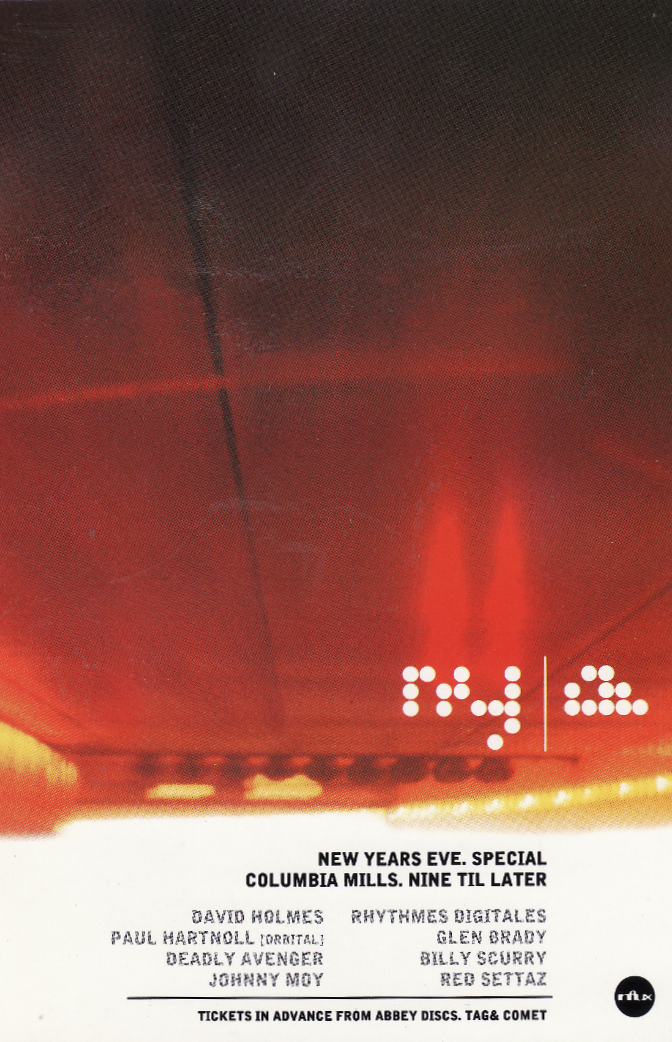


PHOTOS


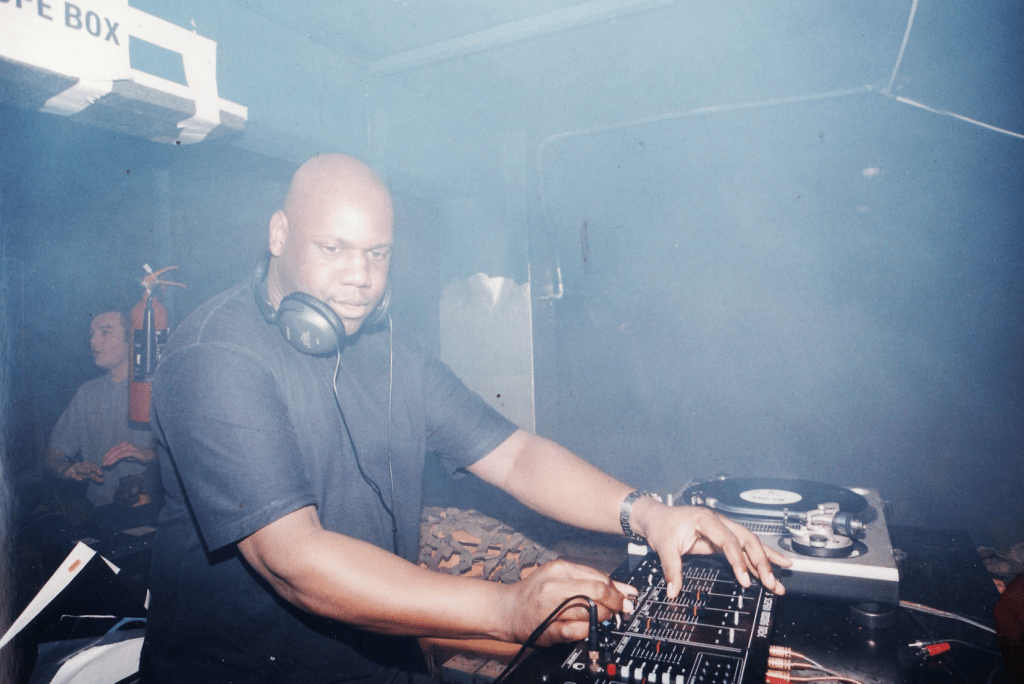
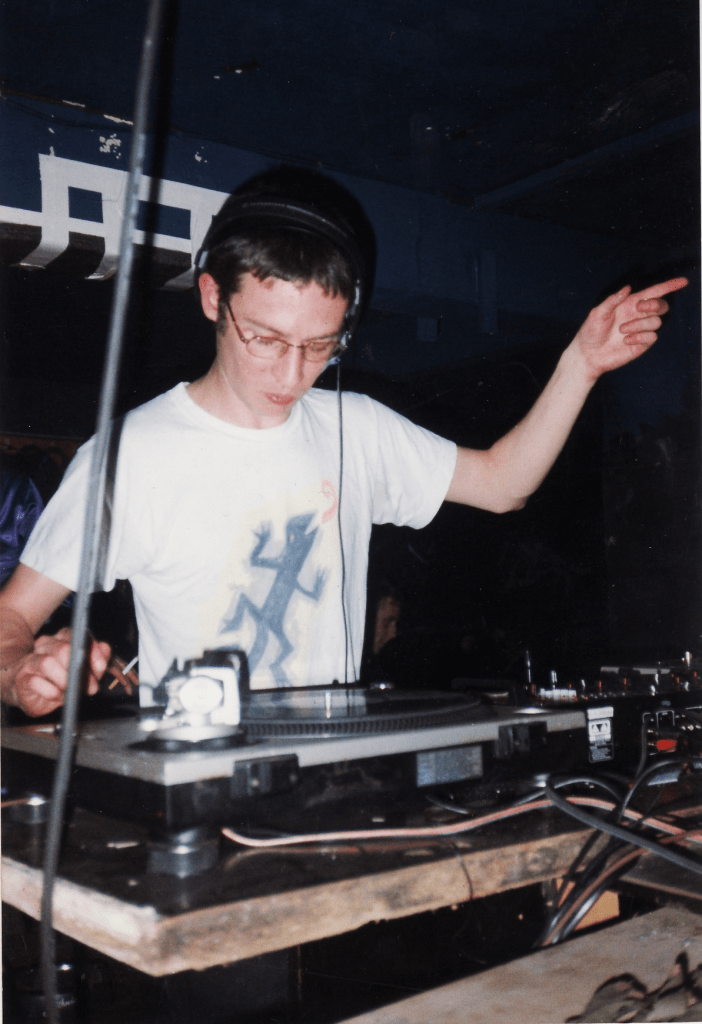

WORDS #1
Johnny Moy
In conversation with 909originals.com
“We set up the Beat Club primarily as a music outlet for 100 of our friends. I think our time, must have been really right because everyone else wanted a break from Sides. We just took a risk on it, we brought over some DJs like Andrew Weatherall and Phil Perry, and a few UK DJs that were just bubbling then.
“The Beat Club only lasted for ten shows in Tin Pan Alley, which was a disused space behind The Harp, and then the owner went ‘this is easy, I can do this myself’. And he couldn’t. He tried, and he failed.
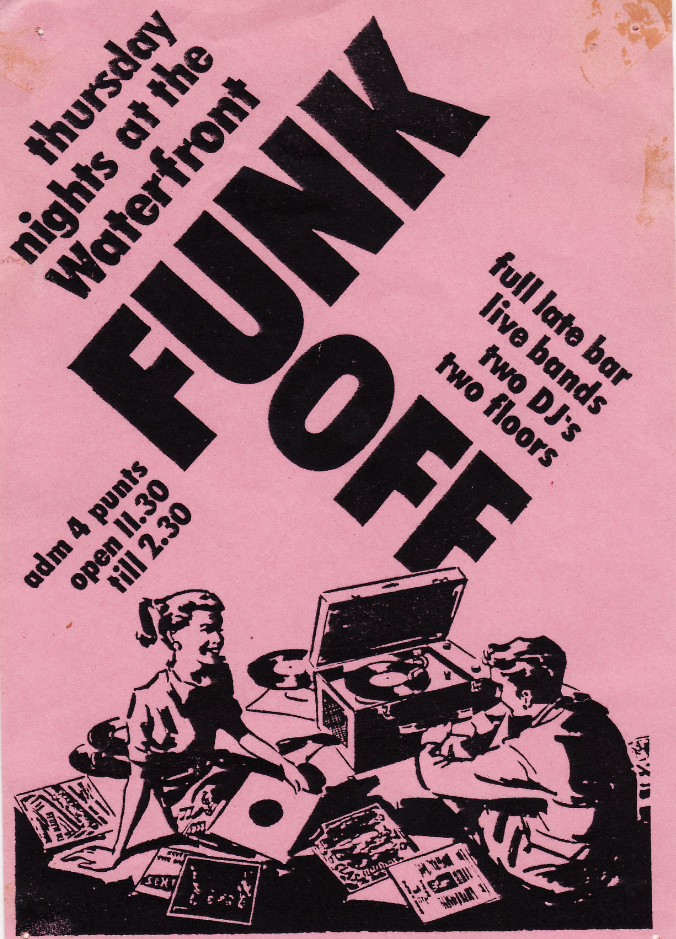
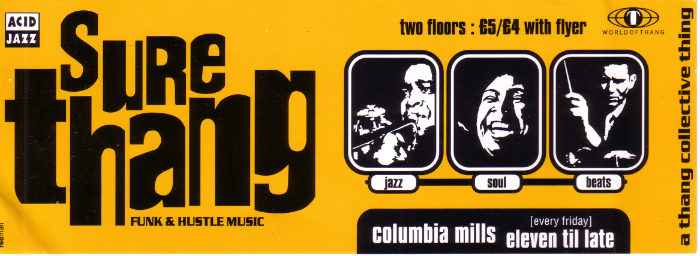
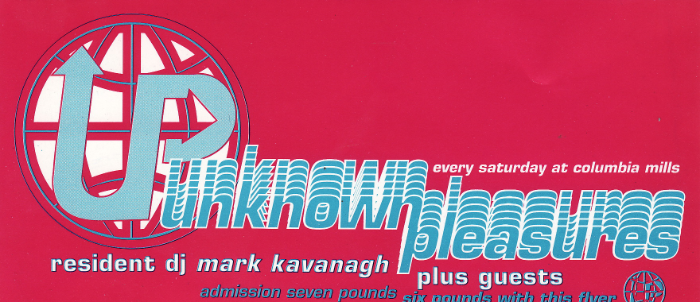
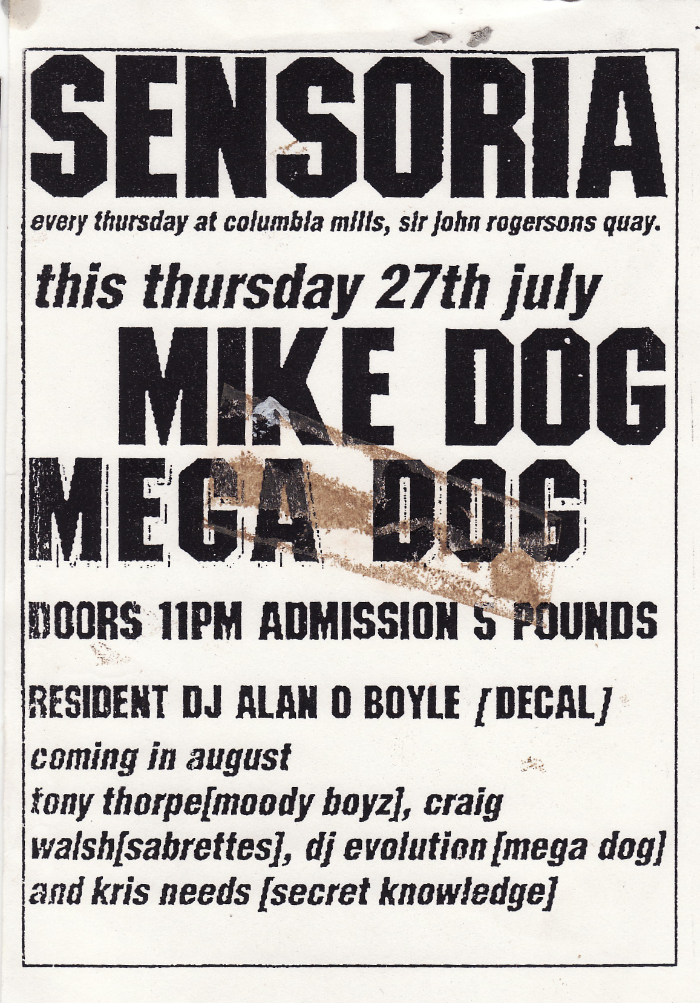
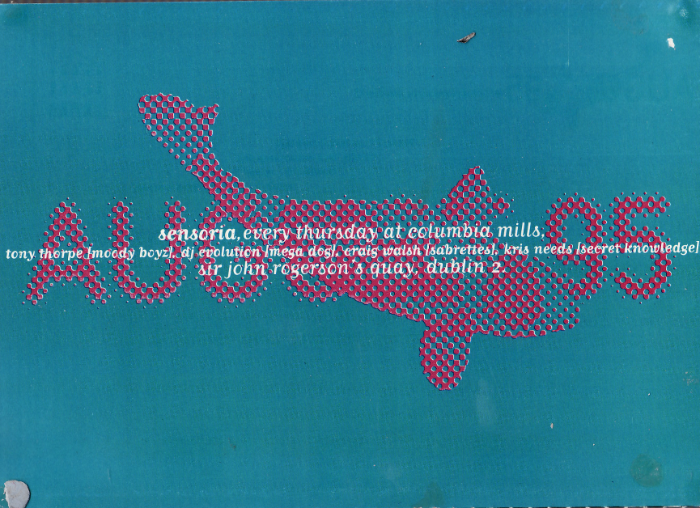
“So we moved down to The Waterfront, on Sir John Rogerson’s Quay, which became Columbia Mills, and we did some big one-offs there. We could see the growth. This was 1992, we could see that we had moved easily from a 150 capacity to a 400 capacity.”
WORDS #2
[This article originally featured on NewsFour.ie]
Nights at Columbia Mills
In the early 90s, a generation got caught up in the lawlessness of rave culture. Fed-up with boring slow sets and indie beats and yearning for some release from the constant talk of unemployment and emigration, young and old turned to a new kind of escapism: a bop at Columbia Mills.
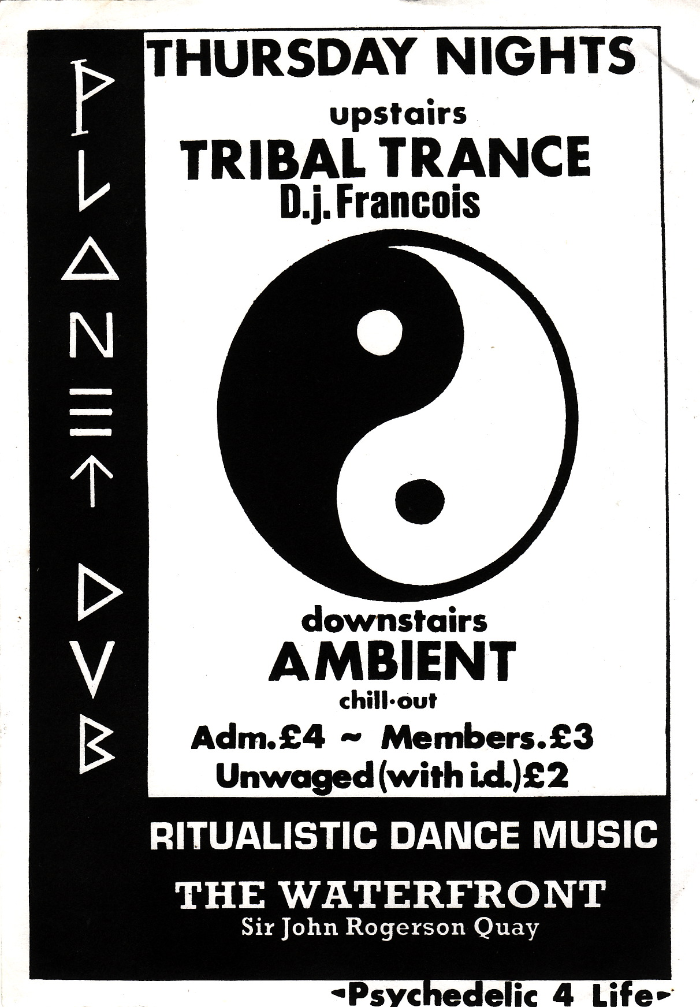
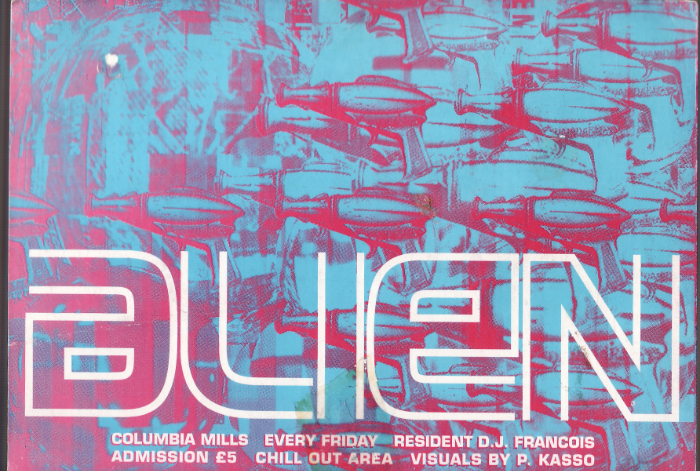
The Mills, based down in Sir John Rogerson’s Quay, became a second home to early house DJs the Beat Club, the Influx Boys (Paul Davis and Johnny Moy), Darren Emerson, David Holmes, DJ Francois and Mark Kavanagh.
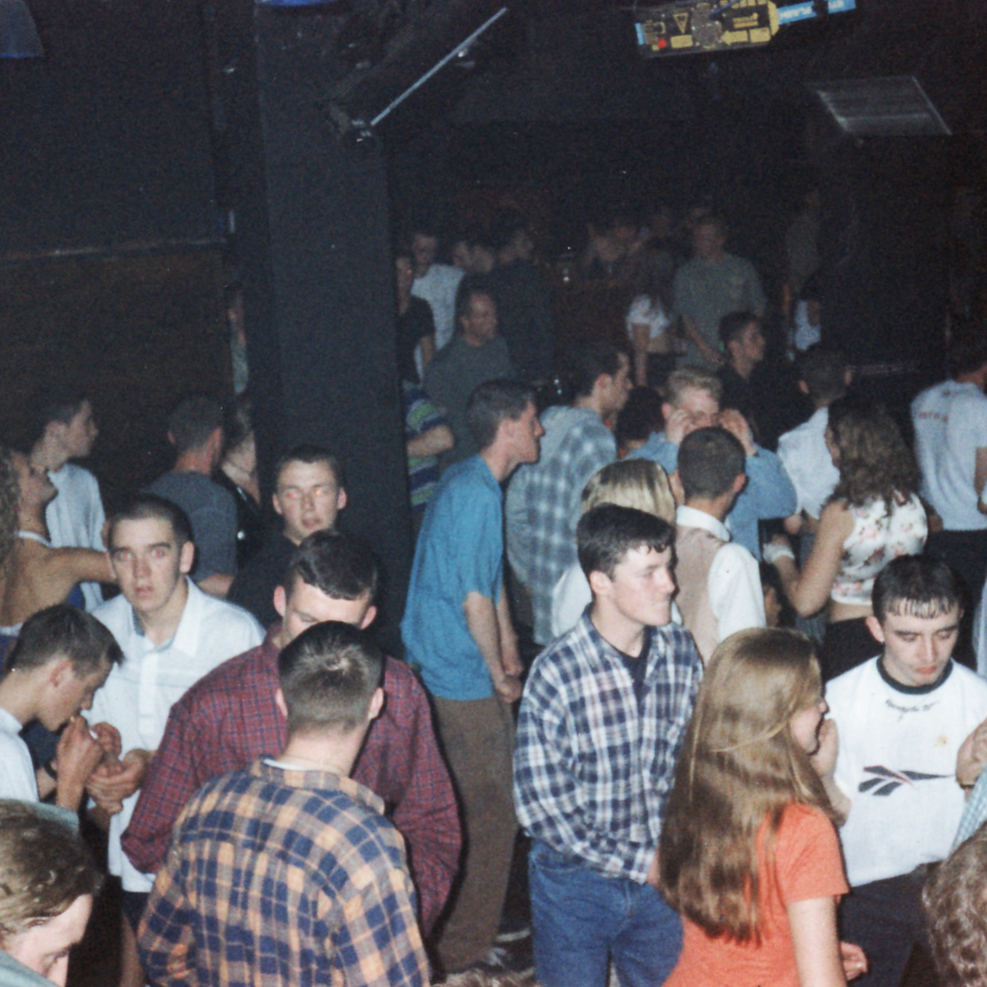
Its rooms were dark and small; it got so hot the sweat was literally running off the walls. It had two floors, one with traditional dance and techno and the basement with more laid-back tunes.
“The area wasn’t built up then, there was nothing down there, so when you were walking down to Columbia Mills you were almost walking into a wilderness,” said Cara Davidson, one of the regulars. “It was the same group of people who kept organising the clubs and they would just change the names and move from venue to venue,” she said.
“Everybody was on the same buzz and the people were pretty rough, but none of that mattered. People were just there for the music,” said Sharon Murray, another Mills regular. “All the guys would have their tops off and all the girls would be dancing around in next to nothing. You’d go in with a little bag on your back and dance in your bra, hot pants or little skirt,” said Sharon.
Columbia Mills was just one part of a growing dance sub-culture that was taking Dublin by storm. “There hasn’t been anything as good as Columbia Mills since,” said Gary ‘Gedge’ Slevin, a DJ who played at Columbia Mills. “I think what stood out about Columbia Mills is that it was a mixed crowd, you’d have people that were into different music scenes coming together, dance music broke down all those boundaries in society,” he said.
The dance floor had fluorescent lights and pumping beats and while the jacks were constantly blocked, love was seeping out of every pore.
Click here to read the full article
SUPPORT ANALOG RHYTHMS: If you like what you see, why not pledge your support below to keep ANALOG RHYTHMS up and running. You can make a one-time donation or a monthly or yearly contribution. 🙂
Make a one-time donation
Make a monthly donation
Make a yearly donation
Choose an amount
Or enter a custom amount
Your contribution is appreciated.
Your contribution is appreciated.
Your contribution is appreciated.
DonateDonate monthlyDonate yearly ANALOG RHYTHMS – A CELEBRATION OF DUBLIN CLUB CULTURE
One thought on “Columbia Mills / The Waterfront”